Skoltech hosted the 14th All-Russian Forum of Young Scientists’ Councils and Student Scientific Societies
July 14, 2026
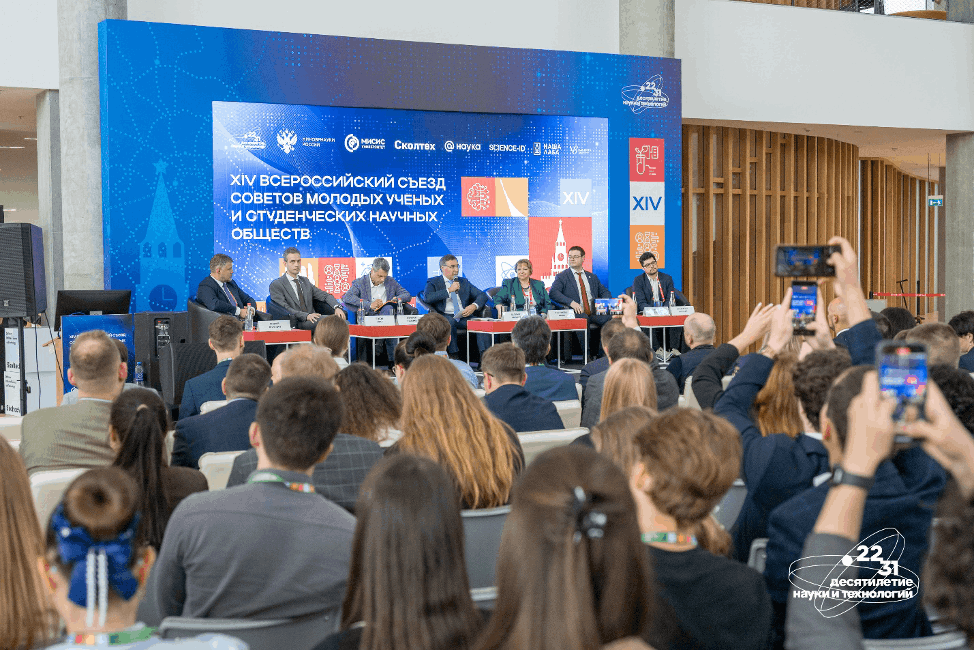
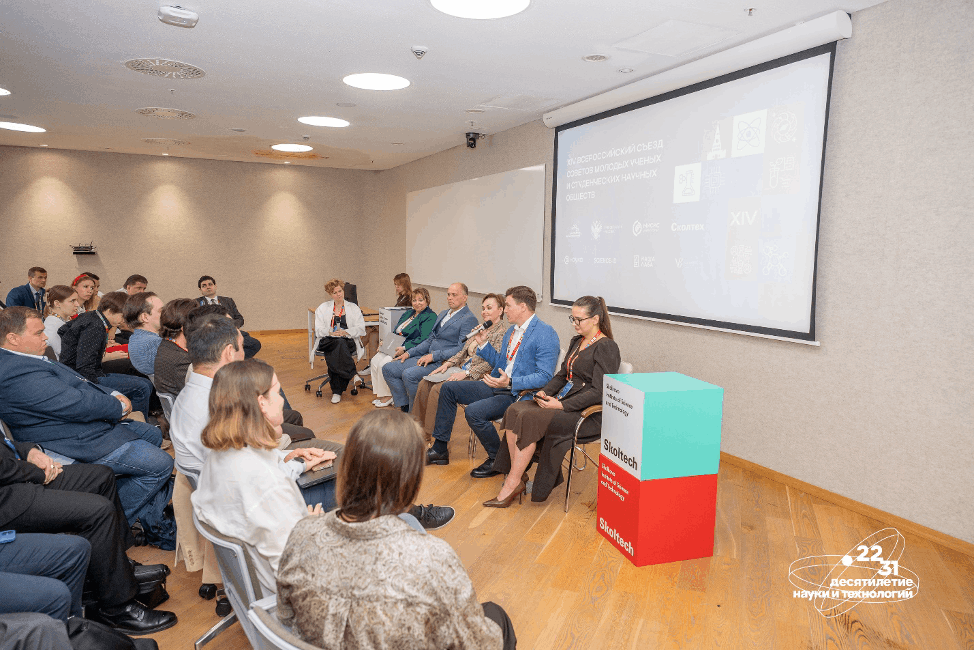
As part of the Decade of Science and Technology in Russia, Skoltech hosted the 14th All-Russian Forum of Young Scientists’ Councils and Student Scientific Societies. The event brought together young scientists from various organizations, cities, and countries.
subscription

The forum was attended by over 1,000 young scientists and students from 76 Russian regions, as well as members of federal, regional, and industry councils of young scientists and student scientific societies, winners of the Russian Presidential Prize in Science and Innovation for Young Scientists, young researchers who receive government support, managers and employees of youth laboratories, graduates of the Management Talent Pool Development Program in Science, Technology, and Higher Education, and leading scientists from Russia and abroad.

The most engaged participants and the two winners of the Forum’s Project Competition were invited to the next Congress of Young Scientists. This high-profile annual event was founded by President Vladimir Putin as part of the Decade of Science and Technology. This year, it will take place from November 25 to 27. Apply now on the official website.

subscription

At the conclusion of the forum, Deputy Minister of Science and Higher Education Denis Sekirinsky said: “Once again, the forum brought together proactive members of young scientists’ councils, student scientific societies, universities, scientific organizations, and industrial partners. These associations foster the professional growth of aspiring researchers, facilitate connections between research teams, and inspire talented youth to tackle the country’s most pressing scientific and technological challenges. I thank all the speakers, partners, and participants for the enlightening program and for their involvement. I would especially like to praise the organizers. I am confident that the ideas and initiatives presented here will evolve into specific projects and contribute to the advancement of Russian science.

The first day, which focused on the topic of Science and the State, featured 30 sessions, including the plenary session, Science and AI: New Scientific and Technological Frontiers, attended by Minister of Science and Higher Education Valery Falkov. Other plenary session speakers included Yulia Gorbunova, the president of the Skolkovo Institute of Science and Technology (Skoltech); Oleg Rogov, the director of the AIRI-MTUCI Safe AI Laboratory; Nikolay Kondratyuk, the head of the MIPT Multiscale Modeling in Soft Matter Physics Laboratory; Evgeny Burnaev, the vice president for AI development at the Skolkovo Institute of Science and Technology; and Mikhail Medvedev, a winner of Sber’s Science Award in the AI in Science. The Physical World category. The session was moderated by Andrey Voronin, the vice-rector for academic affairs at MISIS.

subscription

Participants discussed the impact of artificial intelligence and machine learning on modern science and conventional research methods, as well as the new skills future scientists will require. Valery Falkov emphasized that “artificial intelligence and machine learning are becoming integral to scientific methods, rather than merely serving as auxiliary tools. They are revolutionizing research.

The minister stated that, today, research outputs include publications, large data sets, models, and knowledge bases, all of which are essential for further advancement of science. He also emphasized the importance of consolidating the computing resources of scientific organizations and creating a unified digital research infrastructure.

The completion of the Siberian Ring Photon Source (SKIF) shared facility was the major news of the plenary session. Valery Falkov announced that the Federal Service for Environmental, Technological and Nuclear Supervision (Rostekhnadzor) issued a certificate confirming the facility’s compliance with all applicable requirements. “The Siberian Ring Photon Source is now complete,” the minister stated.

Valery Falkov also announced a new competition to upgrade instrumentation at leading Russian scientific organizations for the 2027–2028 period. He noted that over 60% of the facilities had been upgraded between 2018 and 2024, and confirmed that the initiative would continue.

The discussion specifically examined the role of researchers in the face of rapid AI advances. Falkov emphasized that, despite technological changes, humans remain central to the advancement of science and require new skills to utilize intelligent systems.

The first day also featured expert sessions on digital services for science, megascience facilities, the role of student scientific societies, Russian Science Foundation grants, technological entrepreneurship, and the future of medicine, agroscience, and chemistry.

subscription

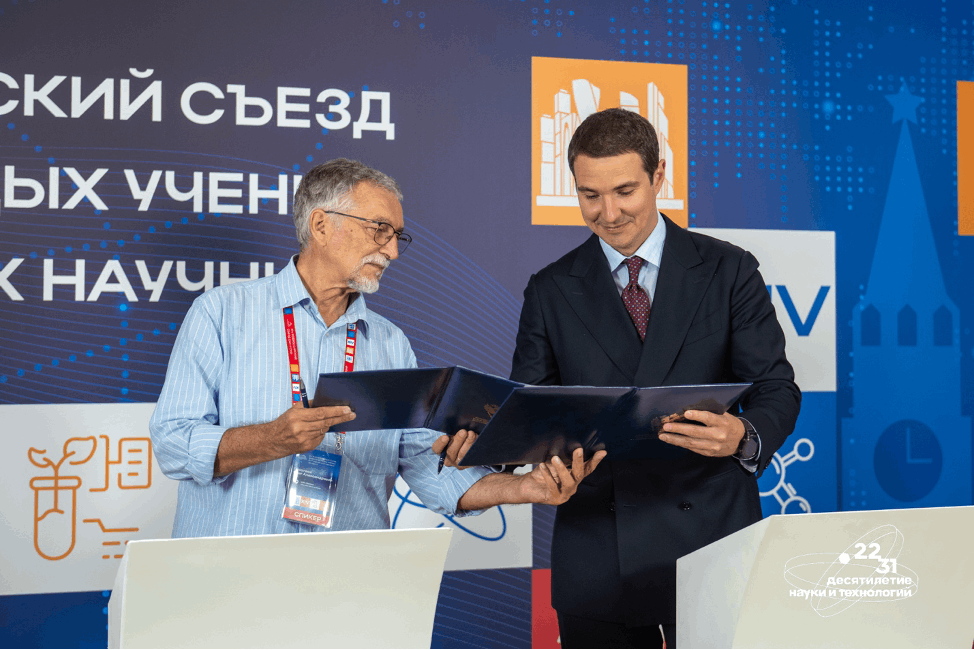
The forum witnessed the signing of four agreements to launch new thematic initiatives within the Decade of Science and Technology. Scientific Entertainment LLC, the “Integration” Educational Development Center, Rutmark LLC, and the “Integral” Research Institute, along with the Russian Ministry of Science and Higher Education and the “National Priorities” non-profit organization will launch projects to popularize science and engage young people in research.

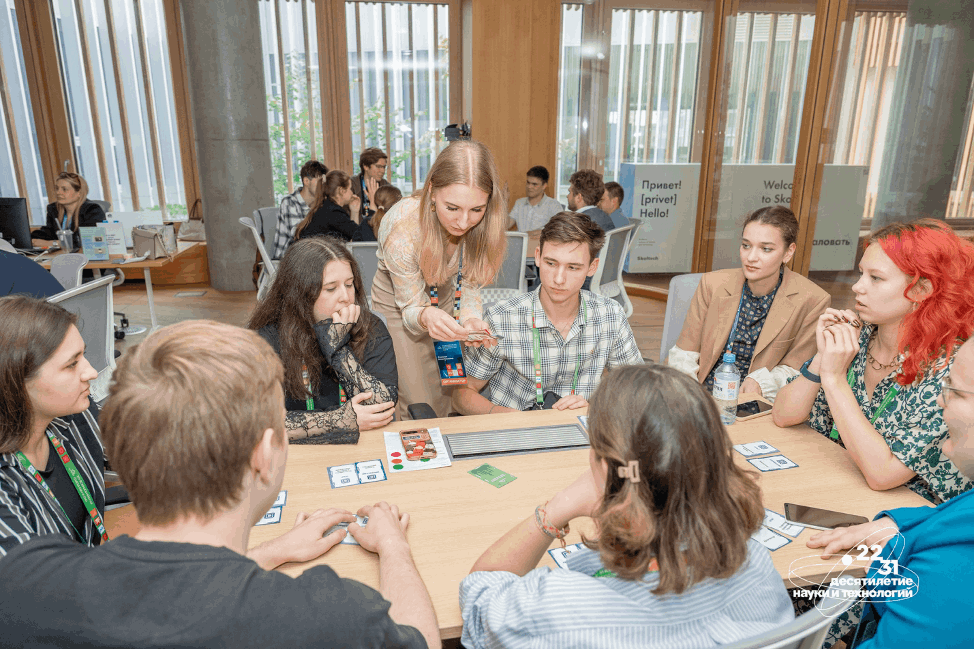
The second day included 31 events that focused on cooperation between education, science, and business. The sessions examined how researchers can attract investors for their projects, monetize their inventions, and leverage opportunities with companies. Young scientists learned how to transform their projects into successful startups, participated in a cybersecurity role-playing game, and attended master classes led by major companies. They also tested their knowledge of the Decade of Science and Technology in a science quiz.

subscription

The final day, which included 16 sessions, was dedicated to the Decade of Science and Technology. The program included master classes led by young scientists, panel discussions, and a competition showcasing the best practices of young scientists’ councils and student scientific societies. During the closing ceremony, the organizers announced the most popular sessions of the forum:

• Panel Discussion. Student Scientific Society Competition;

• Mechanisms for Developing Young Students’ Councils and Student Scientific Societies;

• Decade of Science and Technology: from Words to Action;

• Digital Services for Science: New Opportunities for Young Scientists;

• RSF School. RSF Grants: Support for Fundamental Research.


The most proactive forum participants were invited to the next Congress of Young Scientists:

• Roman Alektorov (Yekaterinburg);

• Kirill Barkhat (Khabarovsk);

• Matvey Dubsky, Leonid Katz, Vasilisa Pankova, Yaroslav Stavitsky, and David Antonyan (St. Petersburg);

• Dmitry Eremeev and Alina Eremeeva (Samara);

• Elsa Ivanova (Cheboksary);

• Marat Petrov (Yakutsk);

• Ivan Golovikhin (Perm);

• Tatyana Pismakova (Tyumen);

• Nadezhda Chumankina (Nizhny Novgorod);

• Larisa Baeva (Dzerzhinsk);

• Bella Rakhimova (Grozny).


For the first time, the forum welcomed delegates from 17 countries, including Russia, Iran, Italy, Canada, Bulgaria, Vietnam, France, Armenia, Serbia, Ecuador, China, Zimbabwe, Pakistan, Ethiopia, Kazakhstan, Tajikistan, and Uzbekistan.

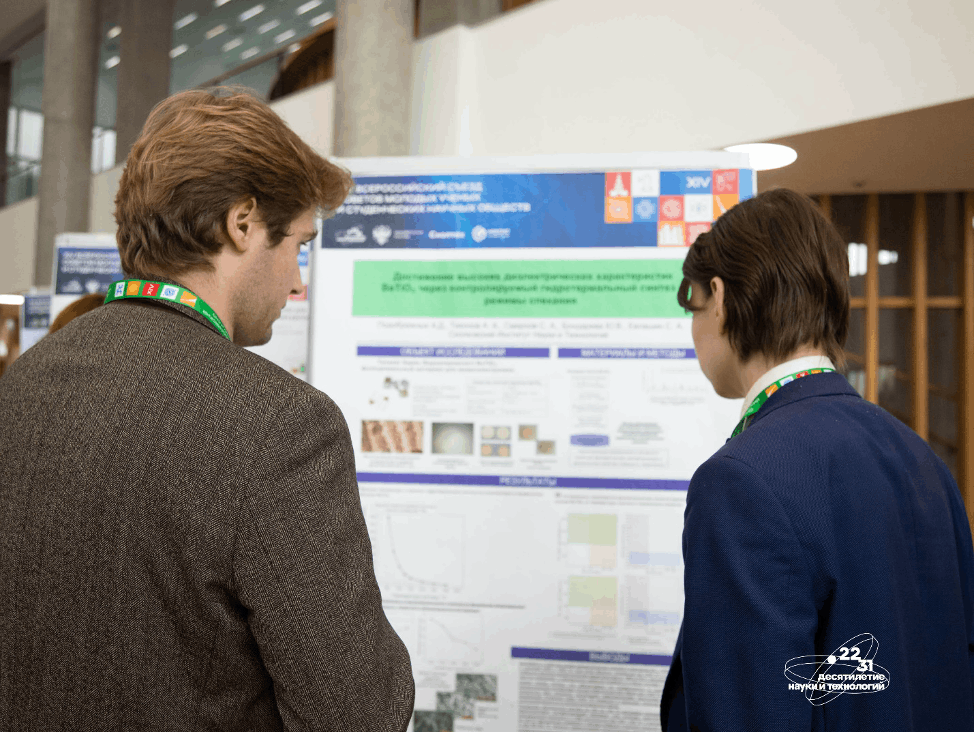
In addition to the business program, the forum offered an interactive section, an exhibition, and a poster session that showcased Skoltech research.

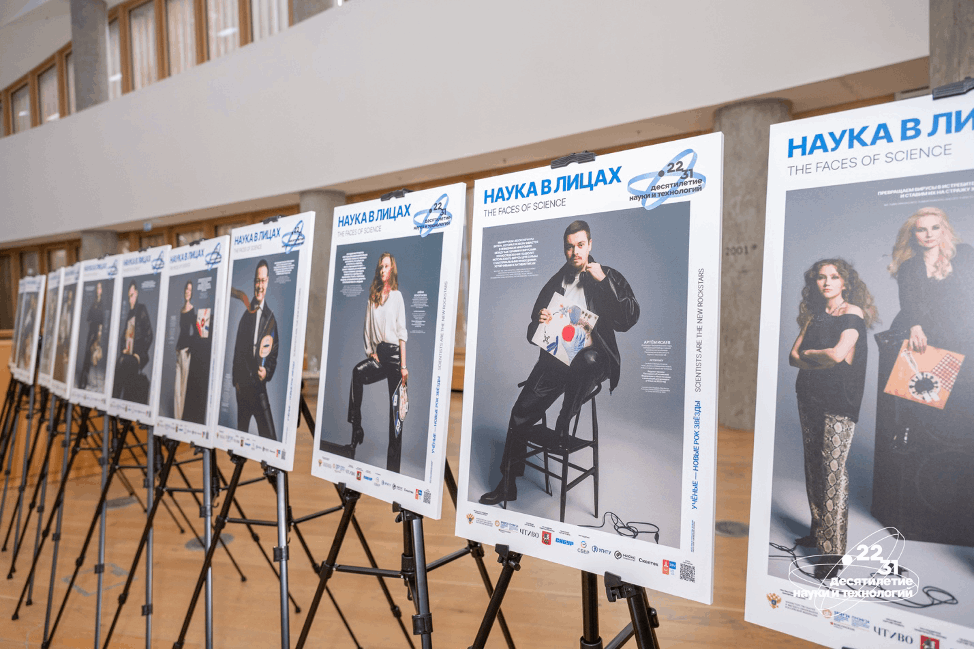
The Faces of Science exhibition displayed portraits of 32 prominent Russian scientists. Now in its fifth year as part of the Decade of Science and Technology, this project brings together exceptional young Russian scientists who have received prestigious national awards for their research, including the Russian Presidential Prize in Science and Innovation for Young Scientists and the Russian Government Prize in Science and Technology for Young Scientists. The gallery also featured representatives of leading Russian scientific organizations and high-tech companies, such as SIBUR, Sber, and Rosatom. Project participants took part in the forum’s business program. The Faces of Science exhibition is part of the Science Nearby initiative of the Decade of Science and Technology and is supported by a grant from the Ministry of Science and Higher Education.

subscription

At the Decade of Science and Technology booth, participants could vote for the best idea from three concepts for the new “scientific” collection of the Putin Team Russia brand. The results were announced on July 11th. The concept Knowledge. The Path to Truth received the most votes. Inspired by scientific and industrial themes, its design is reminiscent of a futuristic computer interface. Clothing from the collection will be given as gifts to participants of the next Congress of Young Scientists.

The GTO-M project team invited participants to take cognitive tests measuring reaction speed, memory, attention, spatial orientation, and logical thinking.

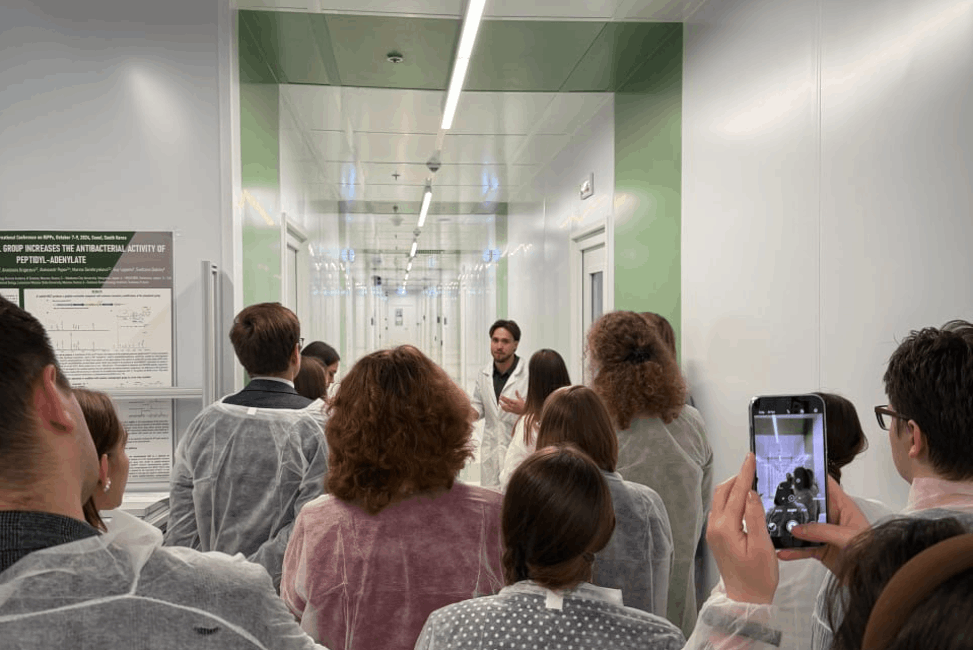
During the technological tours, participants visited organizations that develop advanced scientific and technological solutions. Young scientists toured SPUTNIX, a private space company; the TMK Scientific and Technical Center; SIBUR PolyLab’s research centers; and Skoltech’s research centers and laboratories.

subscription

The forum also premiered the Art. Polymers. Future exhibition, a joint initiative between SIBUR PolyLab and the Decade of Science and Technology. Throughout 2026, young artists from across Russia created futuristic paintings, sculptures, and installations from polymer granules that embodied innovative materials and a vision of the future.

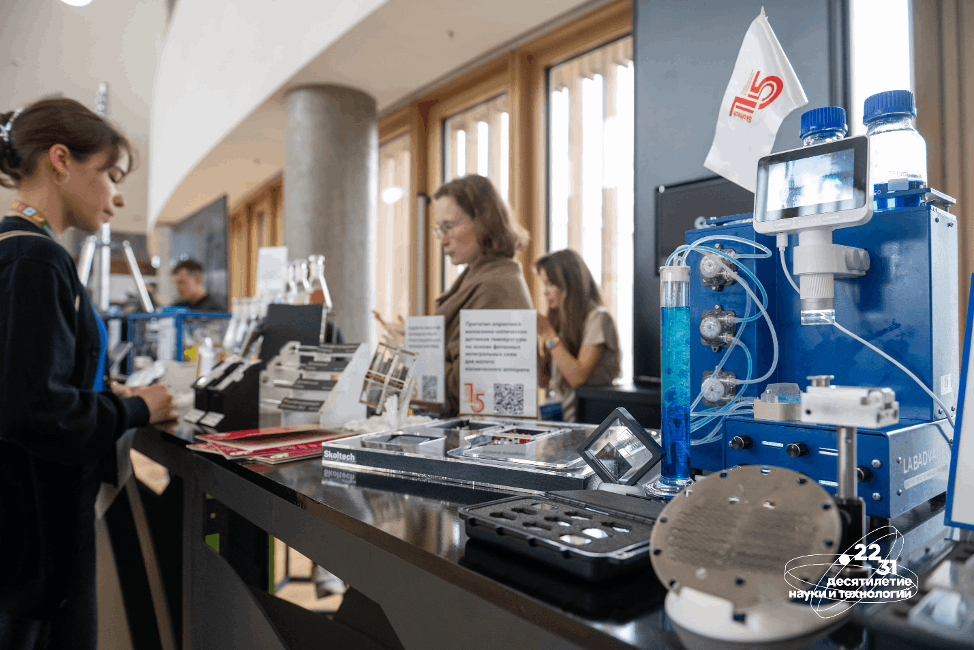
The Our Laba project presented an exhibit with over 30 pieces of locally manufactured scientific equipment, as well as consumables and research software.

Each day concluded with a screening from the FANK Scientific Film Days. Screenings included the documentary Service of the Sun, the biopic Once Upon a Time in Leningrad, and the RAS film almanac Where to Look for Answers. The screenings were held as part of the Science as Art initiative.

subscription

The forum was organized by the MISIS University of Science and Technology with support from the Russian Ministry of Science and Higher Education and the Skolkovo Institute of Science and Technology. The Forum’s partners included Valenta Pharm, the Science-ID platform, the Our Laba project, and the media partner Nauka Mail.

The partners of the Decade of Science and Technology played an active role in the forum, focusing on two main tasks:

Educational master classes (Sber, Rostelecom, Yandex Cloud, Super Job, the Ministry of Digital Development, Communications and Mass Media, PhosAgro, the Sistema Charitable Foundation, and Alfa-Bank);

Expert support and presentations (Rosatom, AFK Sistema, Gazprom Neft, TMK Scientific and Technical Center, SIBUR, Norilsk Nickel, MTS, Valenta Pharm, Sberbank’s “Contribution to the Future” Charitable Foundation, and Rostelecom).

The forum aims to engage young scientists in the country’s scientific and technological advancement. This objective aligns with one of the three tasks of the Decade of Science and Technology, which was announced by the Russian President in 2022 via the Presidential Decree of April 25, 2022, No. 231, titled “On the announcement of the Decade of Science and Technology in the Russian Federation.”


Photos: 14th All-Russian Forum of Young Scientists’ Councils and Student Scientific Societies. Credit: Timur Sabirov, Skoltech.

Text: 14th All-Russian Forum of Young Scientists’ Councils and Student Scientific Societies.