From summer school to research collaborations: Skoltech SMILES-2026 concludes in Suzhou
July 29, 2026

The closing ceremony of Skoltech’s International Summer School on Machine Learning, SMILES-2026, took place at Nanjing University’s Suzhou Campus. This year’s school was one of the strongest editions in its history in terms of academic partnerships, the international composition of its faculty, participant geography, and the quality of the research projects.

SMILES was held in China for the second consecutive year, but in 2026 the school reached a new level. Skoltech partnered with Nanjing University, one of China’s leading research universities, a member of the C9 League, and a major global centre for artificial intelligence research. The university ranks ninth worldwide by the number of publications at NeurIPS, one of the world’s leading conferences in artificial intelligence.

The school was hosted by Nanjing University’s modern Suzhou Campus, which opened in 2023. Professors and researchers from the university took an active part in both the academic and project components of the programme, engaging with participants, discussing their work, and exploring possible directions for future research collaboration.

subscription
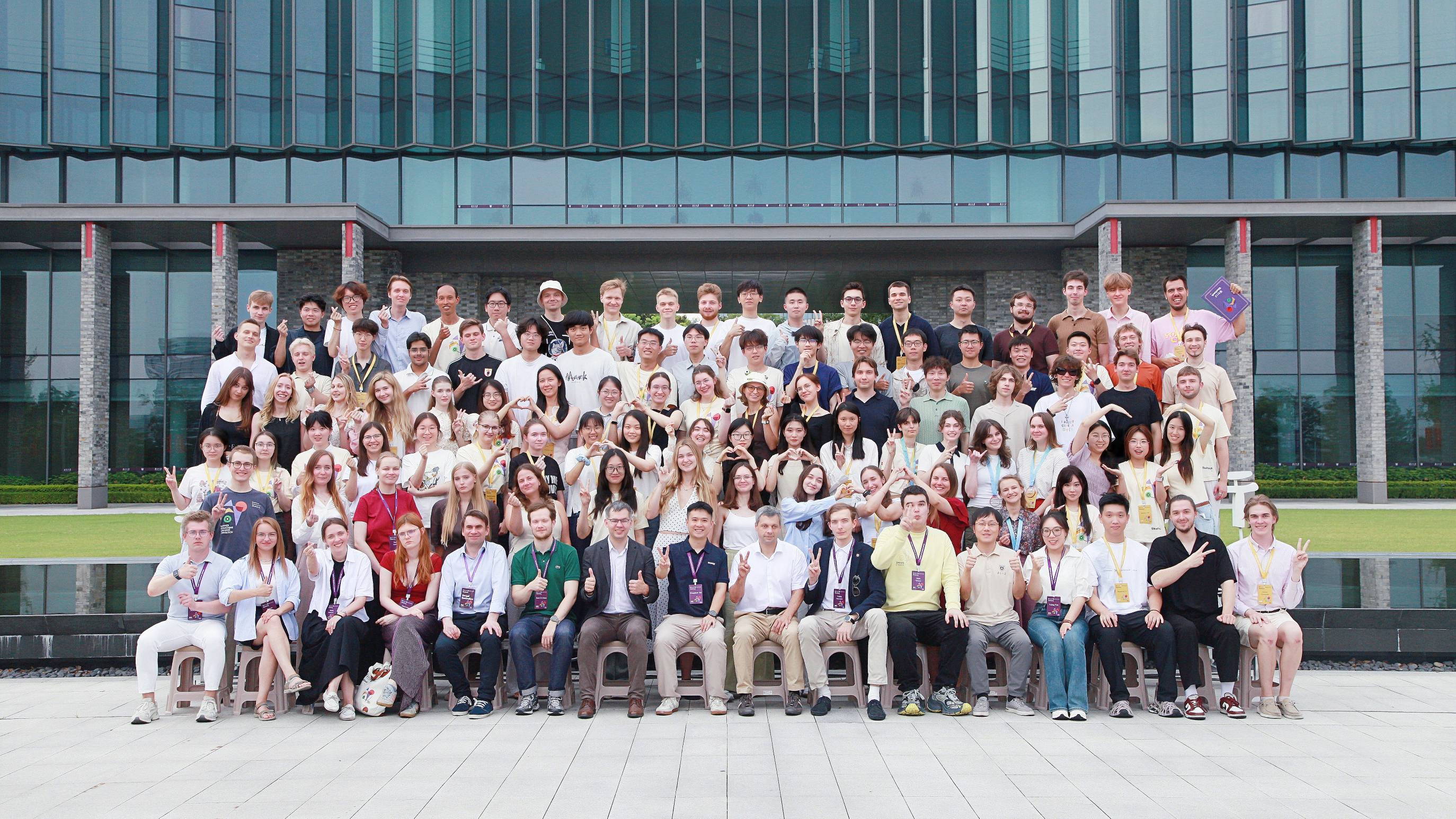
SMILES-2026 participants, lecturers, mentors, and organisers at Nanjing University’s Suzhou Campus.

This year, the school brought together more than 100 in-person participants from Russia, China, the Middle East, and other regions, while approximately 300 more joined the programme online. Interest in the school reached a record high: the organisers received 2,544 applications, with 585 candidates advancing to the extended selection stage.

The participant cohort also became more diverse. Only around half of the Russian in-person participants represented Moscow-based universities; the others came from St Petersburg, Novosibirsk, and other research centres. The school welcomed outstanding students and early-career researchers from Armenia, Nepal, the United Arab Emirates, China, and other countries. The Chinese delegation comprised around 50 participants. Some of the students had already published papers at leading A/A* conferences, including during their undergraduate studies.

The SMILES-2026 faculty was also among the most international in the school’s history. The programme featured 17 leading researchers from seven countries: Russia, China, the United Kingdom, the United States, Saudi Arabia, the United Arab Emirates, and Vietnam.

Invited lecturers included Artem Shelmanov of Mohamed bin Zayed University of Artificial Intelligence, Ray Buntine of VinUniversity, Yingzhen Li of Imperial College London, Fang Liu of the University of Notre Dame, Maurizio Filippone of King Abdullah University of Science and Technology, Alexey Zaikin of University College London, Shuihua Wang of Xi’an Jiaotong-Liverpool University, and Dianhui Wang of La Trobe University.

The school’s academic programme covered large language models, generative artificial intelligence, diffusion and flow-based models, Bayesian methods, uncertainty estimation, trustworthy AI, computer vision, medical AI, intelligent agents, multimodal models, and applied machine learning.

Over the course of two weeks, participants attended lectures by leading academics and industry experts, presented their own research at a poster session, formed international teams, and developed projects addressing current challenges in machine learning. The final stage involved presenting their results to an expert jury.

At the closing ceremony, graduates received certificates, the authors of the best posters were presented with special awards, and the teams received prizes for the strongest projects as well as special awards from industry partners.

“For us, a key outcome of SMILES-2026 is its evolution from a summer school into a research environment. When students from different countries spend two weeks working with leading scientists, presenting projects, and discussing ideas with colleagues from Nanjing University, the result goes beyond education. New topics, teams, and professional connections emerge — and they can continue through papers, internships, and joint research,” said Evgeny Burnaev, Scientific Director of SMILES-2026, Professor of the Russian Academy of Sciences, Skoltech Vice President for Artificial Intelligence Development, and Director of the Skoltech AI Center.

“We deliberately design SMILES not simply as a series of lectures, but as a compressed model of the research process. Under the guidance of mentors, participants move from formulating a problem and conducting initial experiments to receiving feedback, refining their work, and publicly presenting the results. This year, that process was especially intensive: the teams worked in an international environment, received comments from experts, and saw how their ideas were perceived by others,” said Alexey Zaytsev, Director of SMILES-2026, Associate Professor at Skoltech, and Head of the Skoltech–Sberbank Applied Research Laboratory at the Skoltech AI Center.

subscription
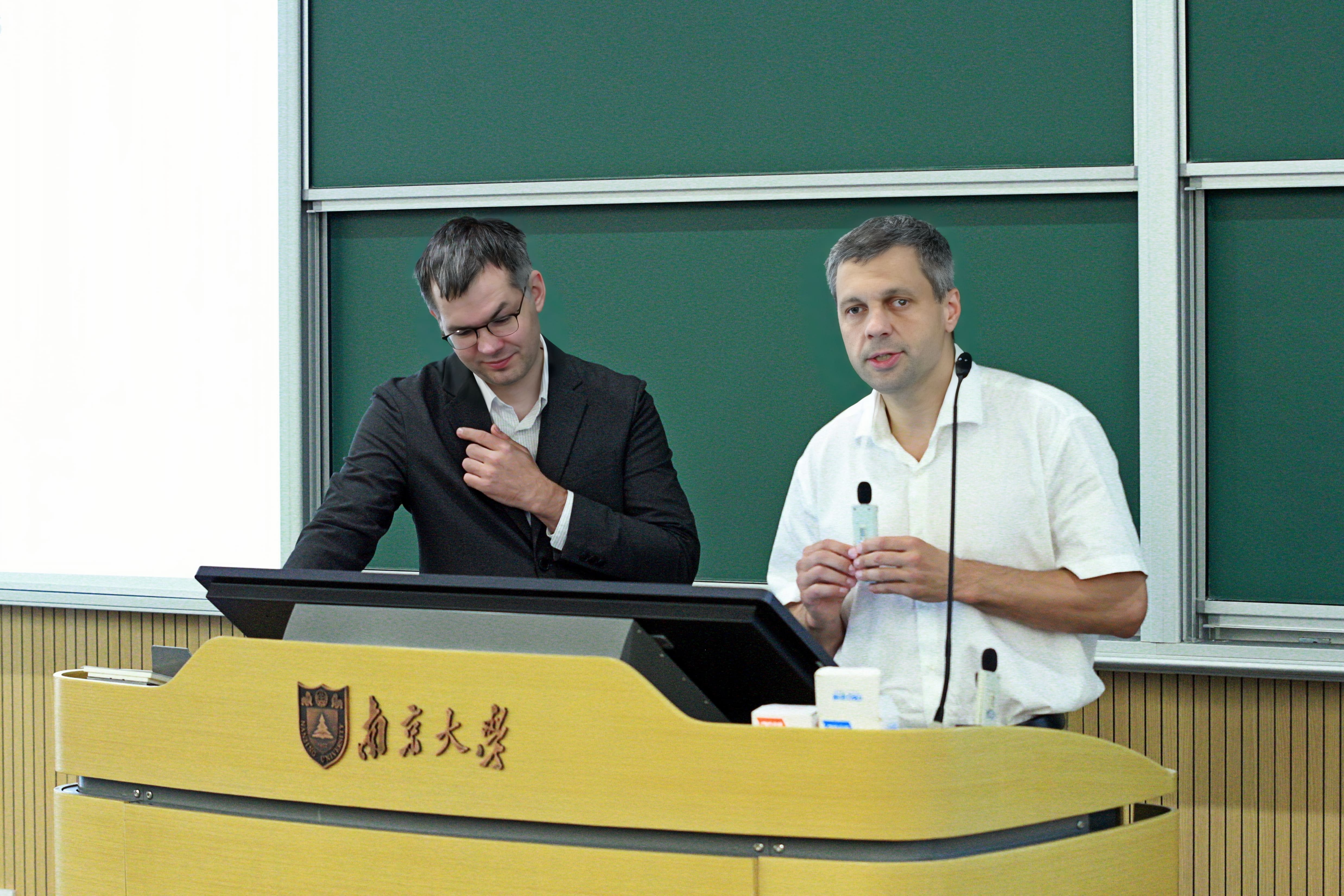
Evgeny Burnaev and Alexey Zaytsev at the closing ceremony of SMILES-2026 in Suzhou.

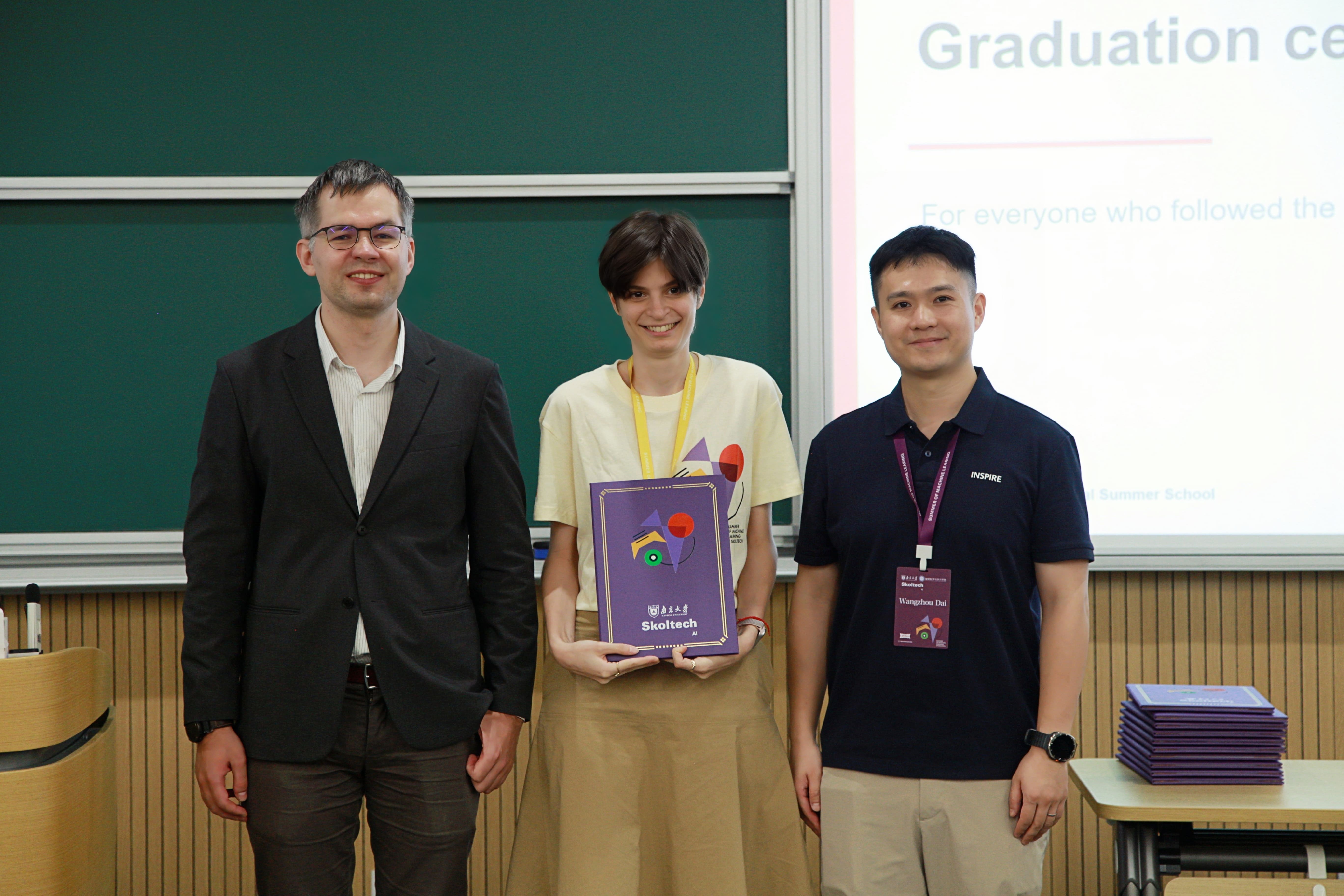
“For Nanjing University, SMILES-2026 was an important experience of academic cooperation with Skoltech. We are pleased that the school was hosted by our Suzhou Campus and brought together students, faculty members, and researchers from different countries. Programmes of this kind help young scientists not only acquire new knowledge, but also learn to work in international teams, discuss real research problems, and find partners for future projects,” said Wanzhou Dai, Deputy Dean of the School of Intelligent Science and Technology at Nanjing University.

subscription
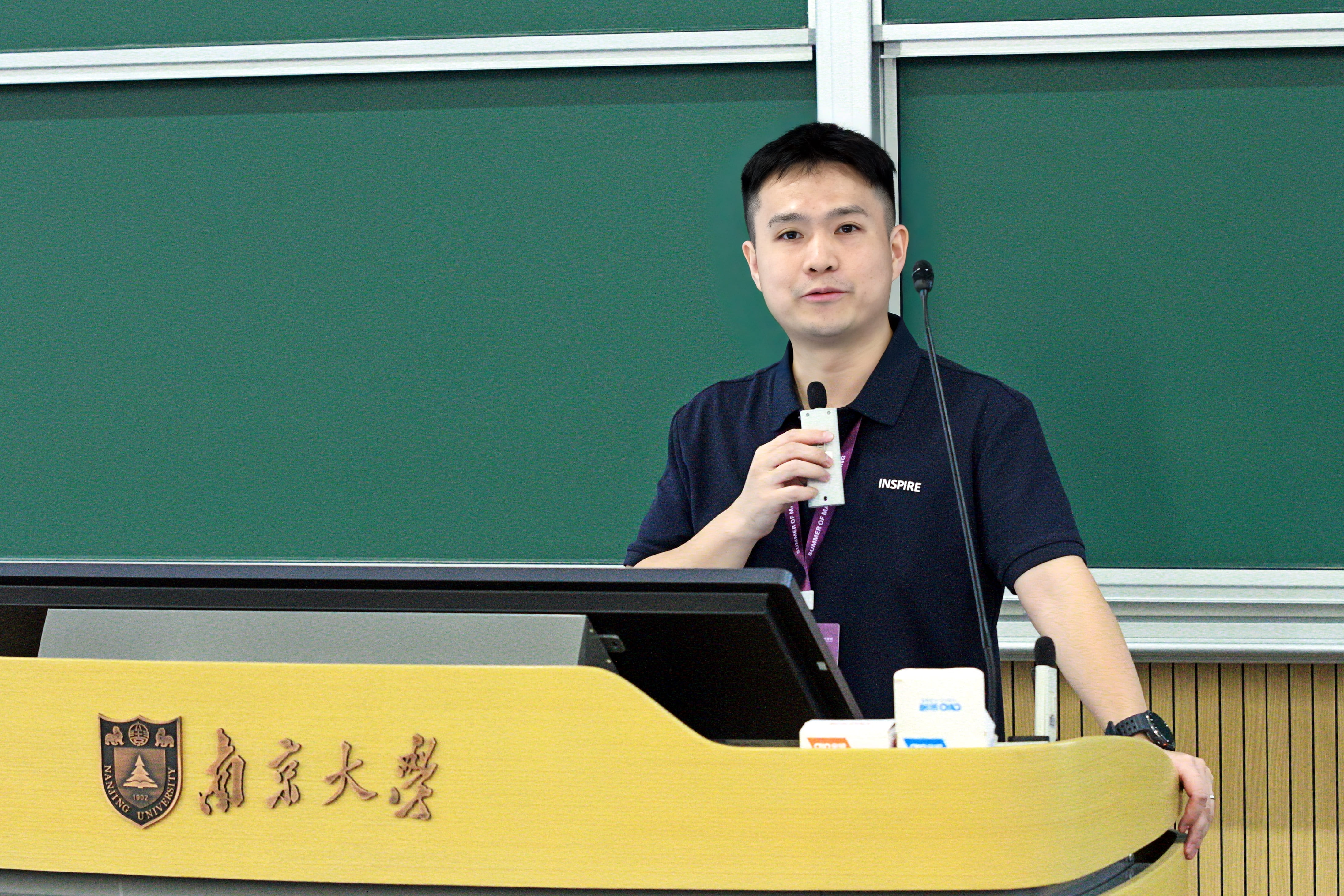
Wanzhou Dai at the closing ceremony of SMILES-2026

“Alfa-Bank actively involves students in solving real-world applied problems. International collaborations such as the SMILES school generate ideas and solutions that may soon find practical applications in artificial intelligence and fintech. Supporting this project is part of our strategy to advance scientific expertise in AI,” said Marat Ismagulov, Deputy Chairman of the Management Board and Chief Human Resources Officer at Alfa-Bank.

Best Projects of SMILES-2026

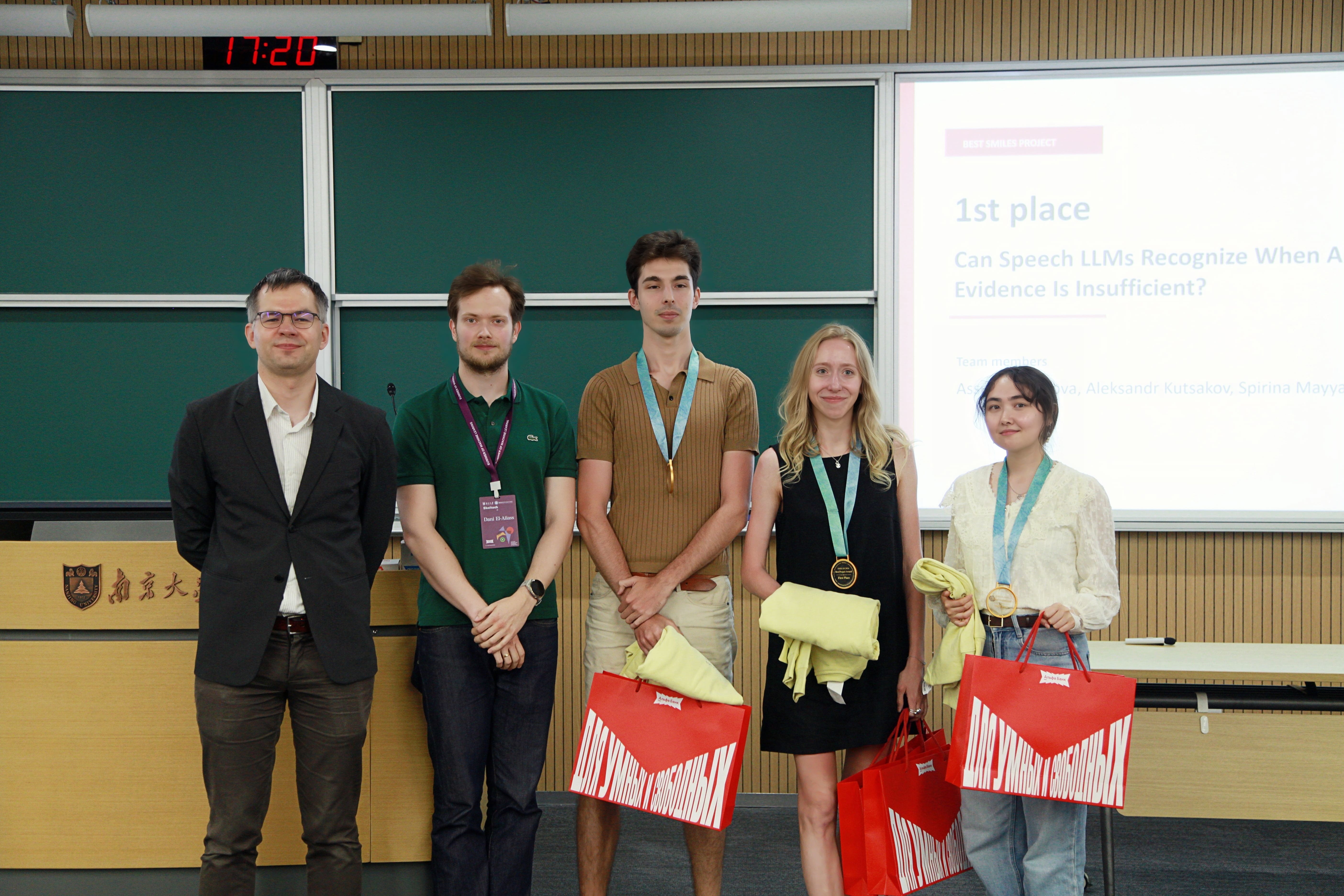
First place
“Can Speech LLMs Recognize When Audio Evidence Is Insufficient?”
Asel Yermekova, Alexander Kutsakov, Maya Spirina

subscription

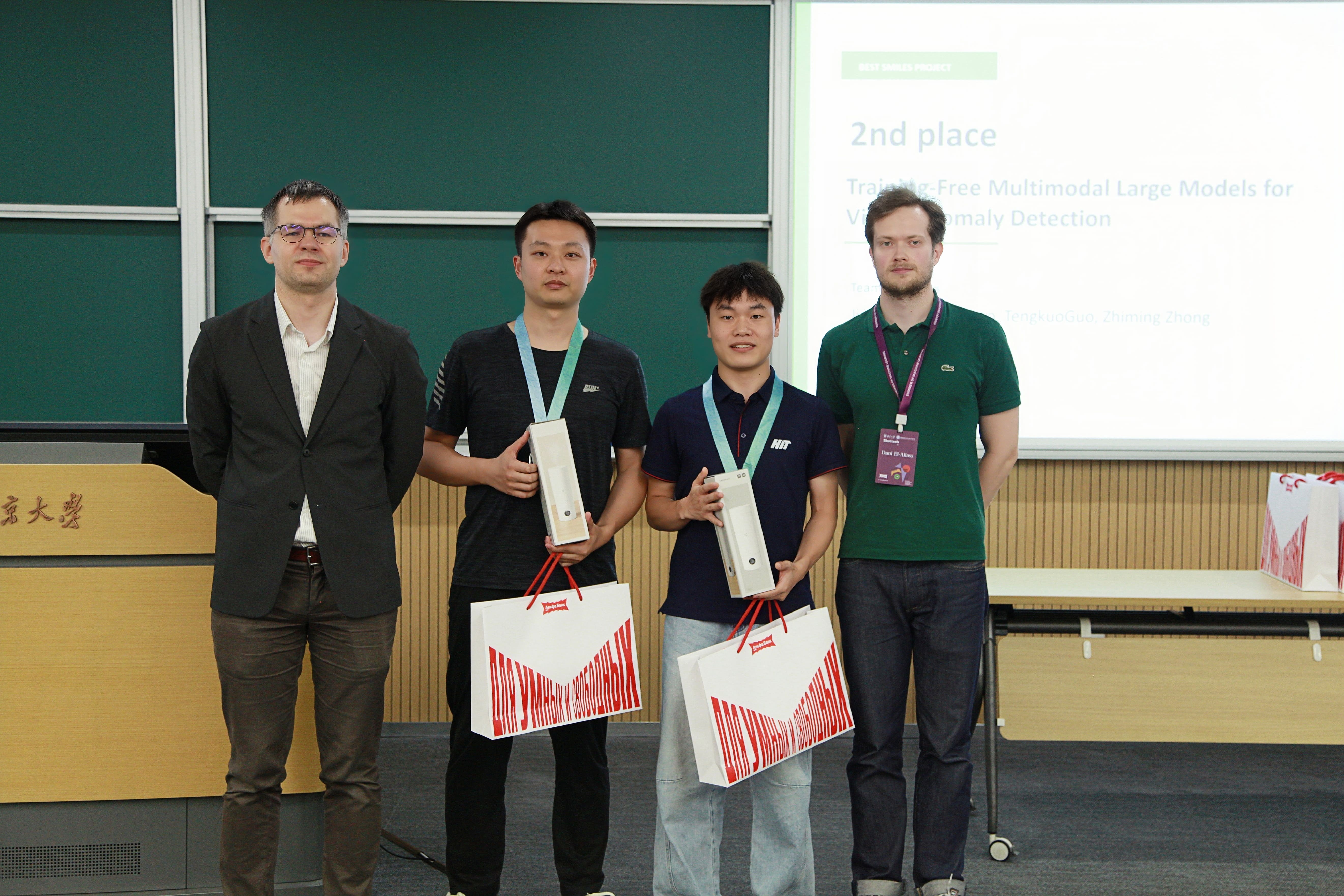
Second place
“Training-Free Multimodal Large Models for Video Anomaly Detection”
Jiawei Gu, Qilin Zhao, Tengkuo Gu, Zhiming Zhong

subscription

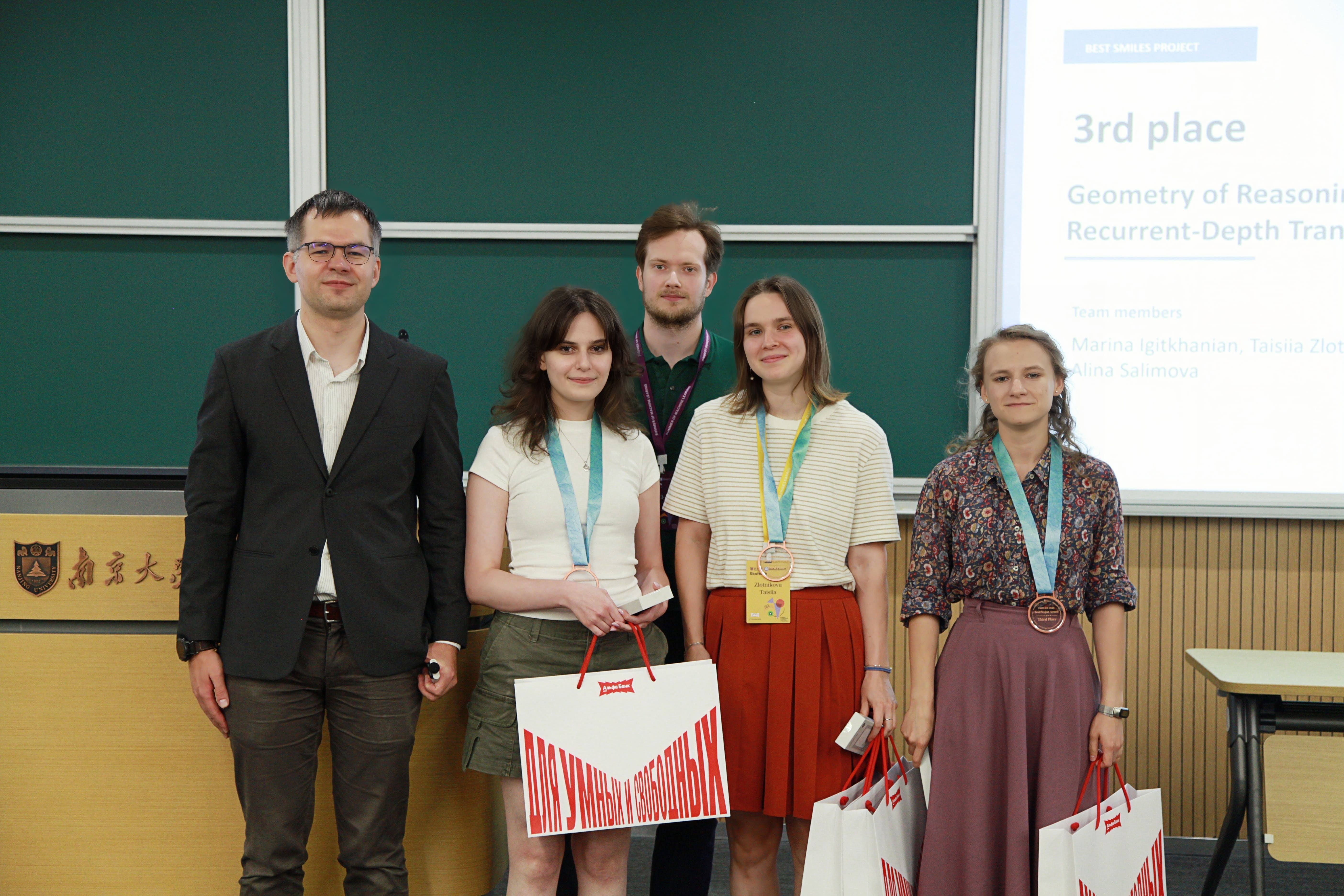
Third place
“Geometry of Reasoning Trajectories in Recurrent-Depth Transformers”
Marina Igitkhanyan, Taisia Zlotnikova, Yana Fitkovskaya, Alina Salimova

subscription

Special Awards from Industry Partners

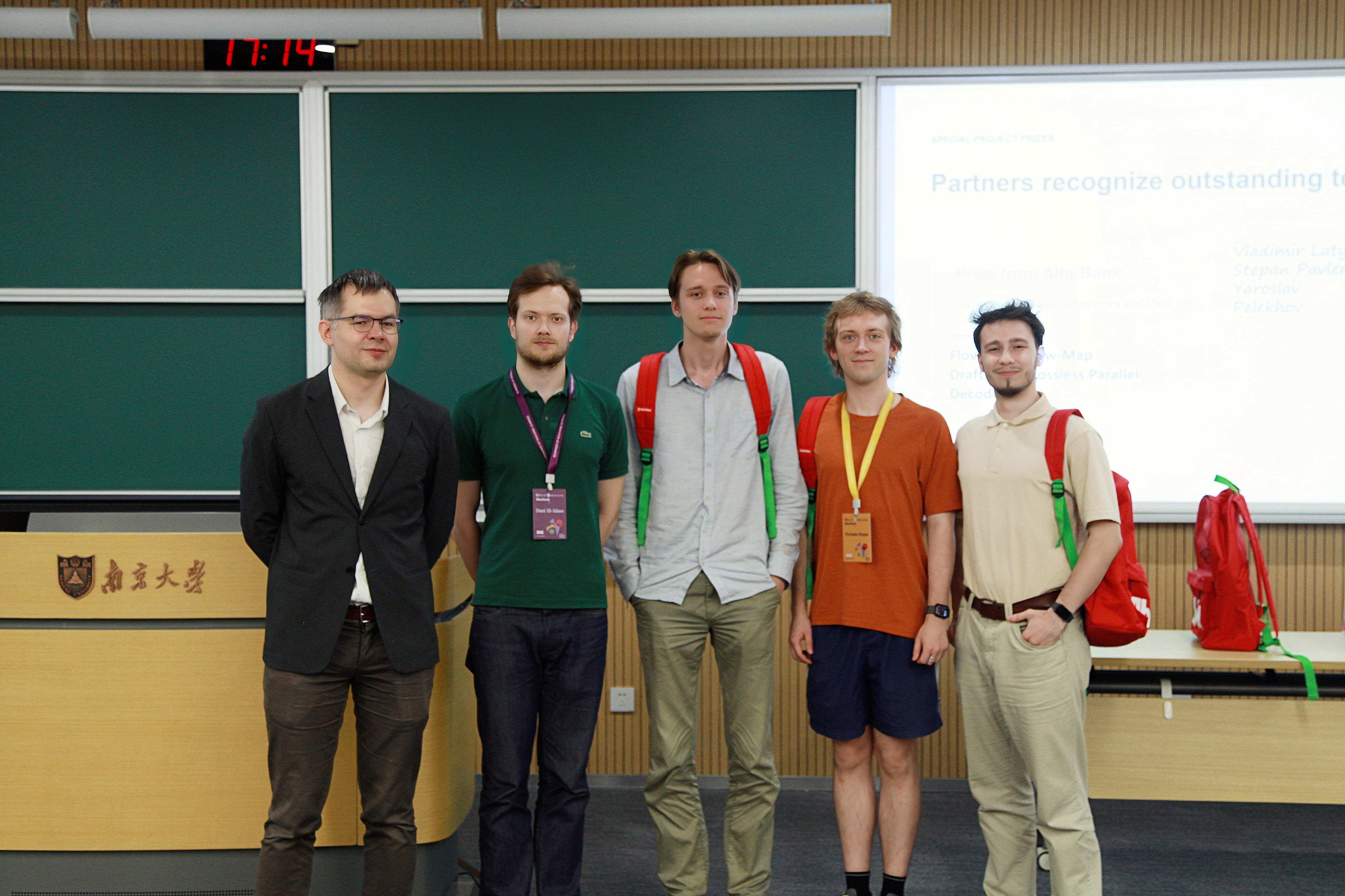
Alfa-Bank Award
“FlowDraft: Flow-Map Drafting for Lossless Parallel Decoding”
Vladimir Latypov, Stepan Pavlenko, Yaroslav Pelekhov

subscription

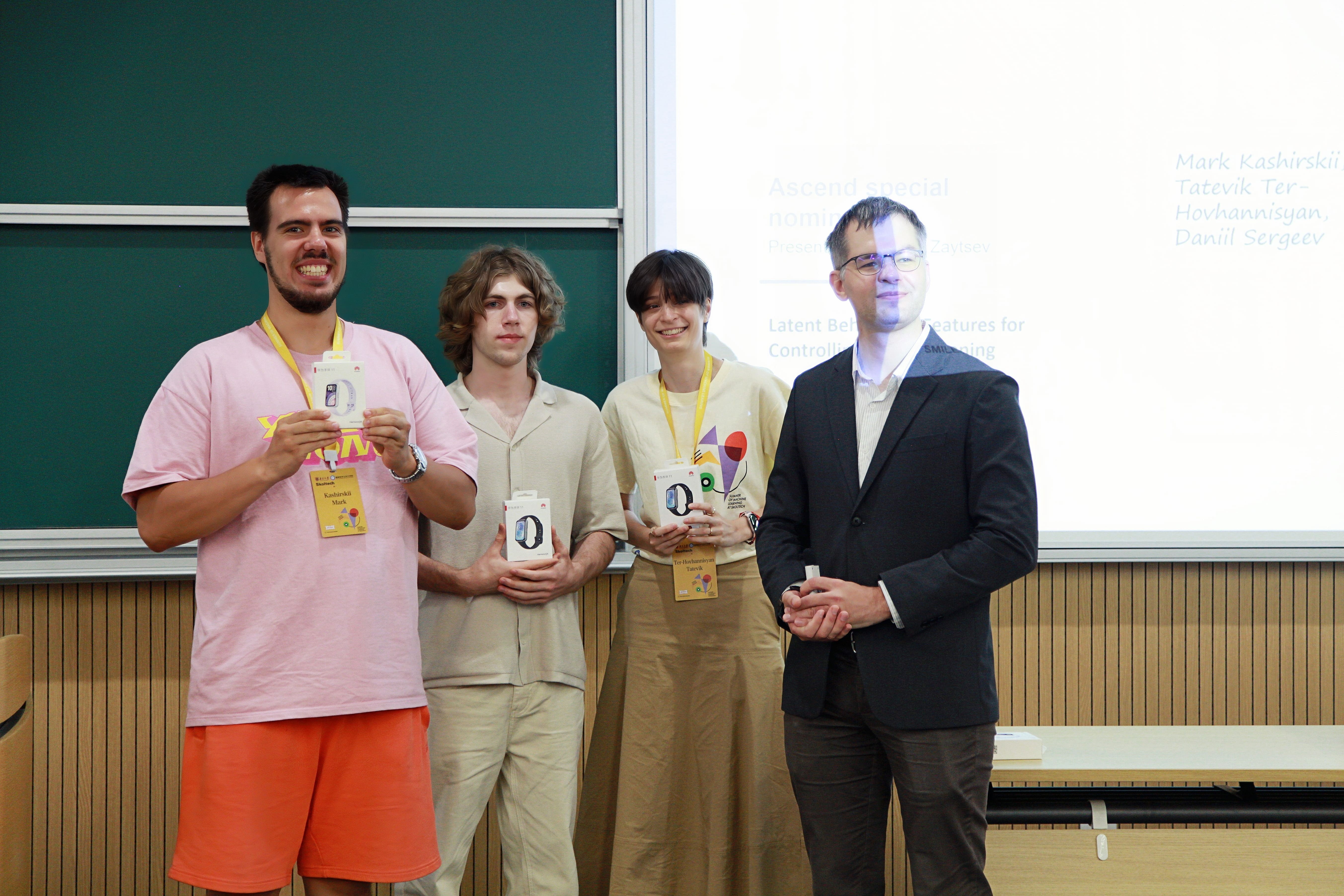
Ascend Special Award
“Latent Behavioral Features for Controlling LLM Reasoning”
Mark Kashirsky, Tatevik Ter-Ovannisyan, Daniil Sergeev

subscription

Best Poster Awards

First place — Tatevik Ter-Ovannisyan
“Do Models Know What They Don’t Know?”

subscription

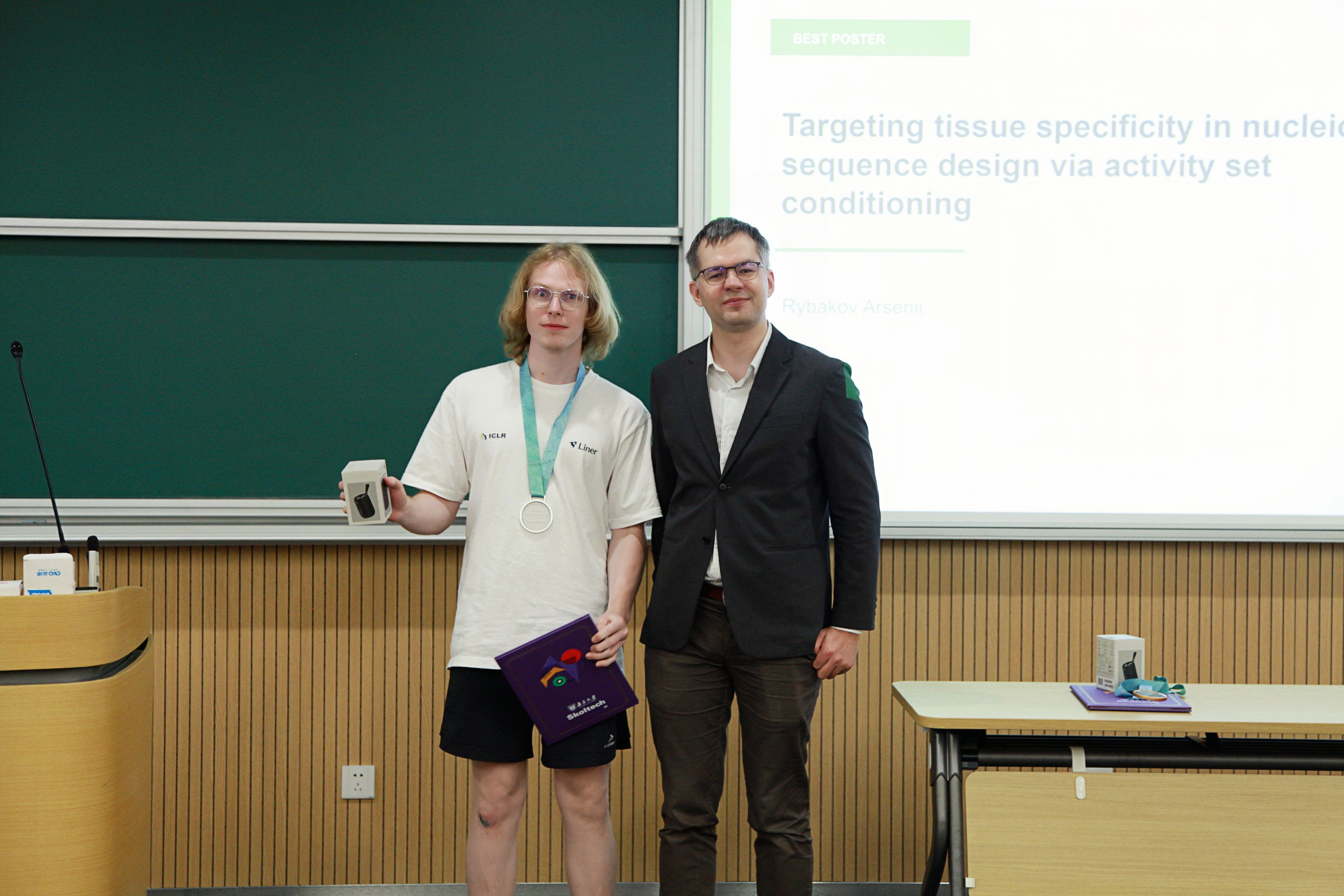
Second place — Arseny Rybakov
“Targeting Tissue Specificity in Nucleic Acid Sequence Design via Activity Set Conditioning”

subscription

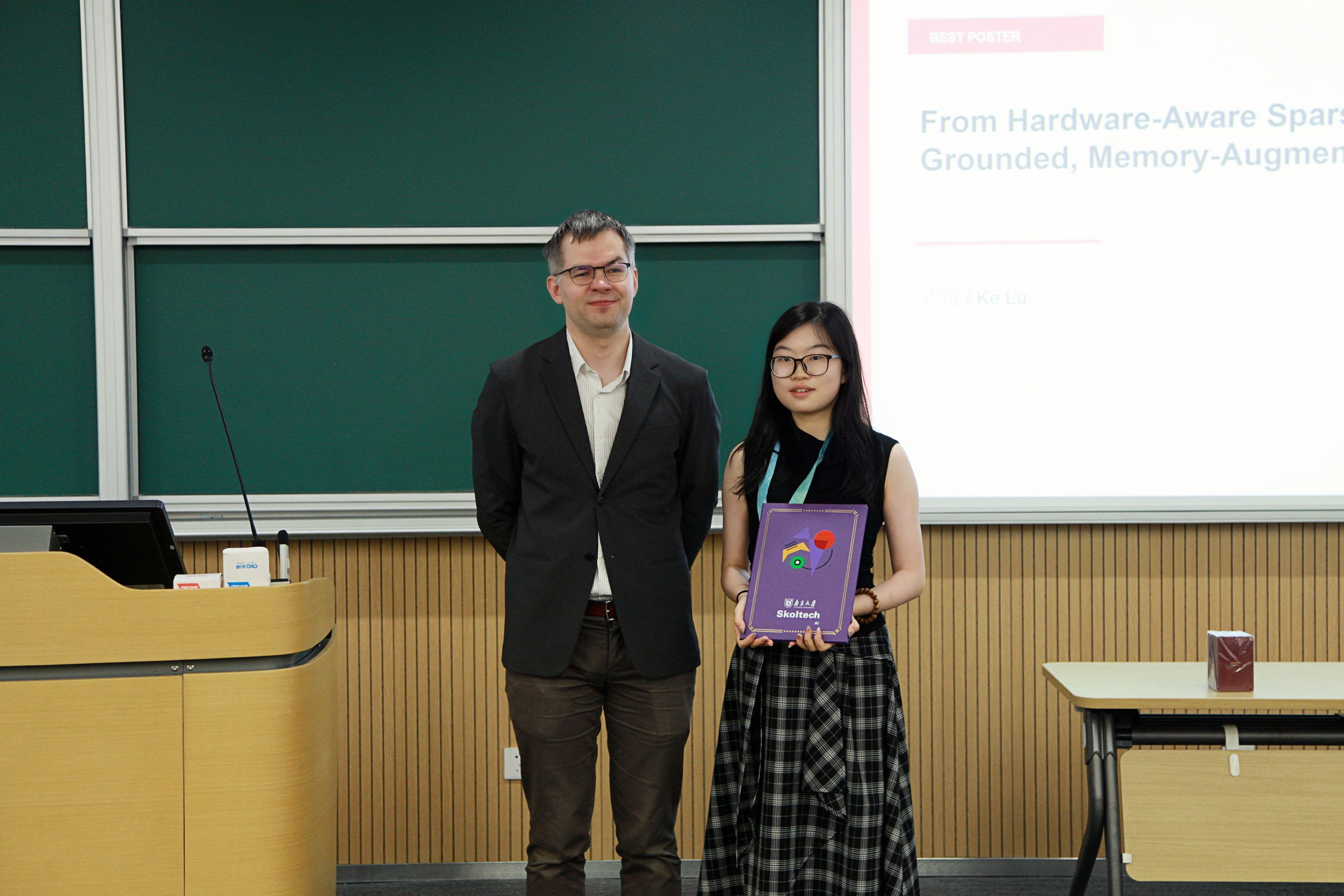
Third place — Lu Ke
“From Hardware-Aware Sparse Attention to Grounded, Memory-Augmented Agents”

subscription

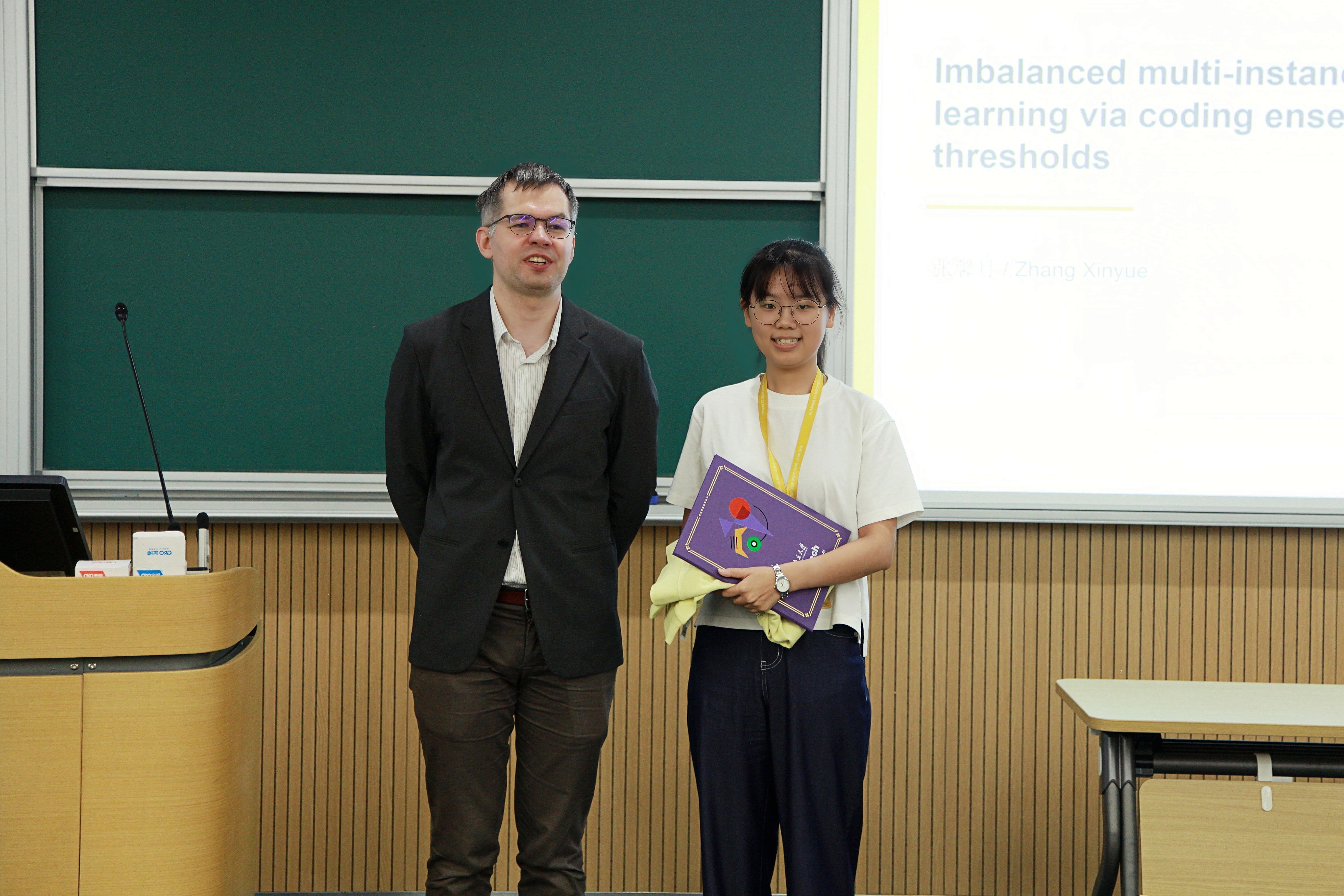
Fourth place — Zhang Xinyue
“Imbalanced Multi-Instance Multi-Label Learning via Coding Ensemble and Adaptive Thresholds”

subscription

The school was made possible by extensive joint work between Skoltech and Nanjing University. At the SMILES-2026 closing ceremony, special thanks were extended to the lecturers, mentors, jury members, organisers, and volunteers responsible for the academic programme, project work, and the many organisational details without which an international event of this scale would not have been possible.

For the participants, SMILES-2026 became a space where they could test research ideas, receive feedback from leading scientists, meet potential co-authors, and experience first-hand how an international research environment in modern artificial intelligence operates.

“SMILES-2026 is a good example of how Russian-Chinese cooperation in science and education is being filled with concrete substance: through joint university work, training of young researchers, and direct professional dialogue. It is especially important that this work is taking place in the field of artificial intelligence — one of the key areas of technological development,” noted Ivan Bryukhovetsky, Consul for Education, Science and Technology at the Consulate General of the Russian Federation in Shanghai.

General Partner of SMILES-2026 — Alfa-Bank.

Partner of the Young Researchers Support Program — T-Technologies Group.