Skoltech took center stage at the 14th All-Russian Forum of Young Scientists’ Councils and Student Scientific Societies
July 11, 2026
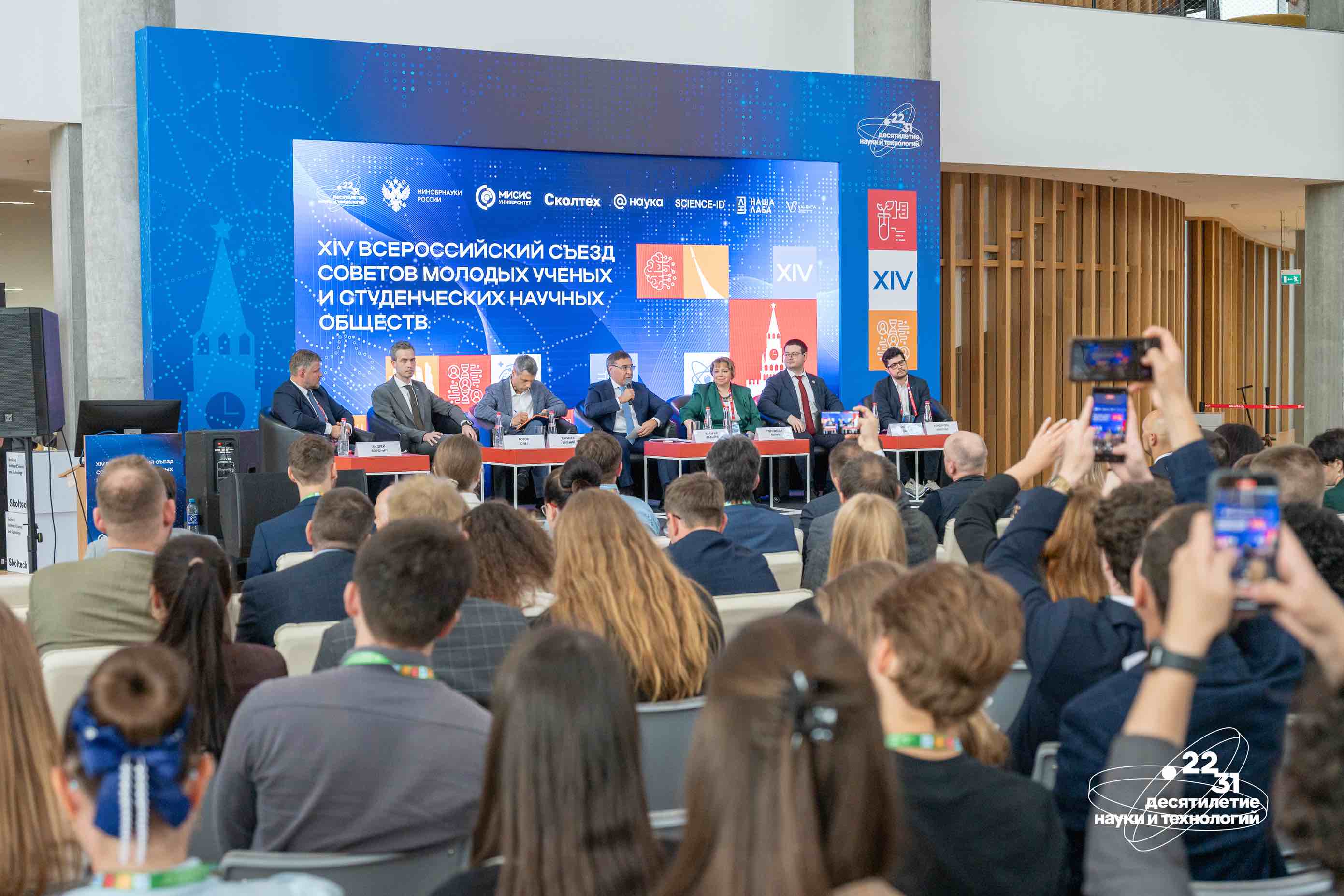
Skoltech (part of the VEB.RF Group) opened its doors to participants of the 14th All-Russian Forum of Young Scientists’ Councils and Student Scientific Societies. The event aims to encourage young scientist communities to address significant societal and national challenges, including the implementation of Russia’s Scientific and Technological Development Strategy and the Decade of Science and Technology initiatives.
subscription

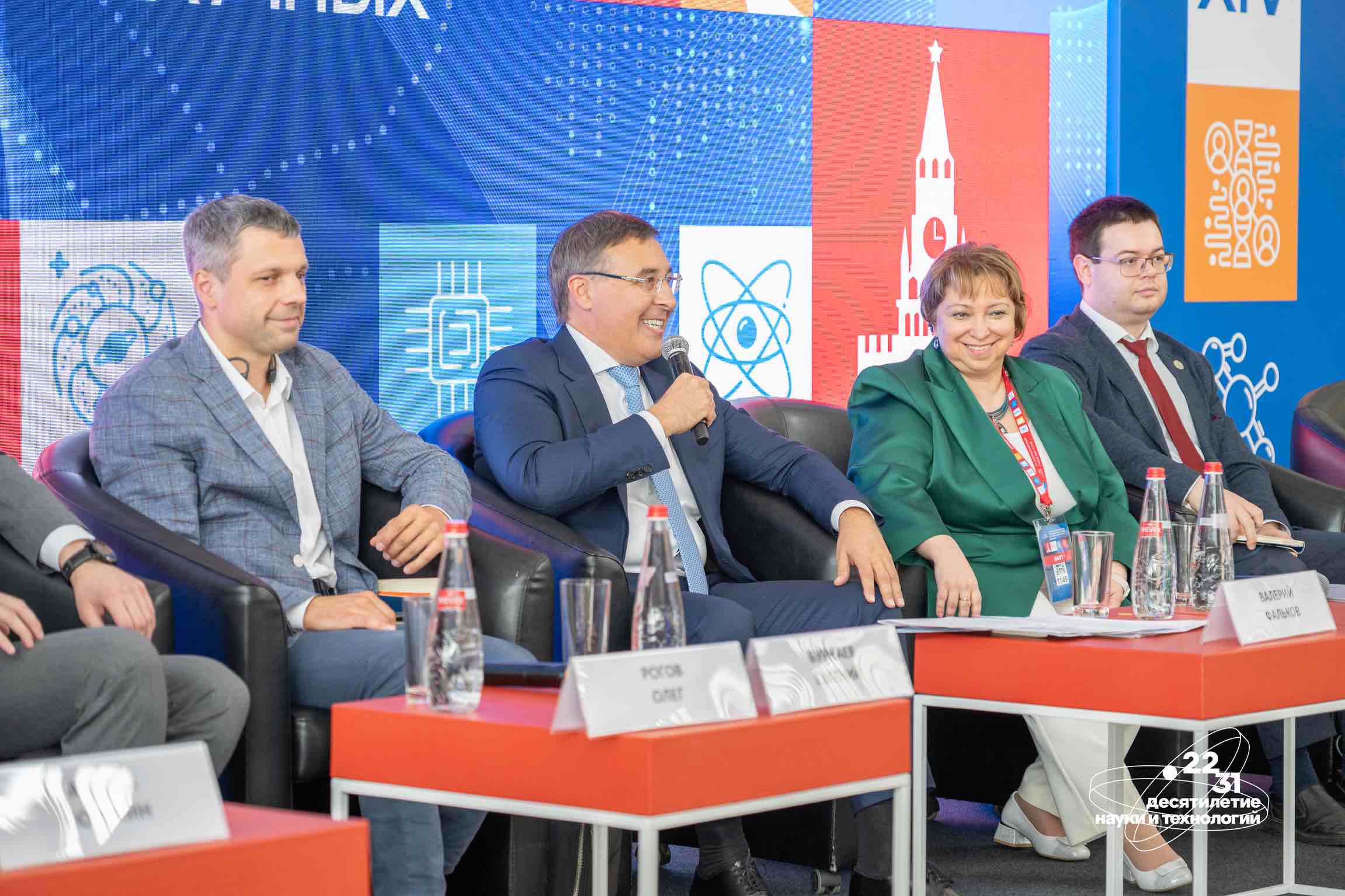
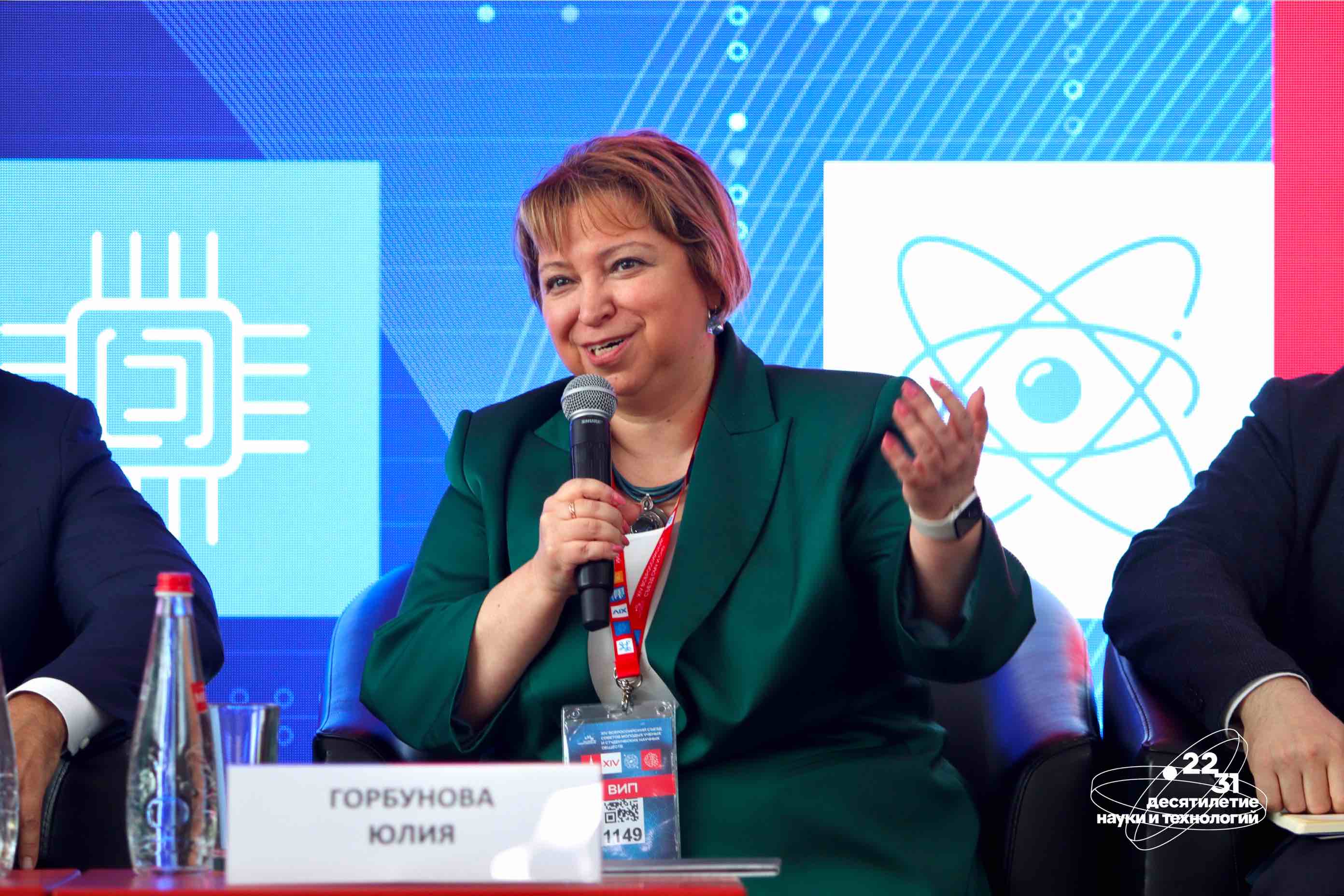
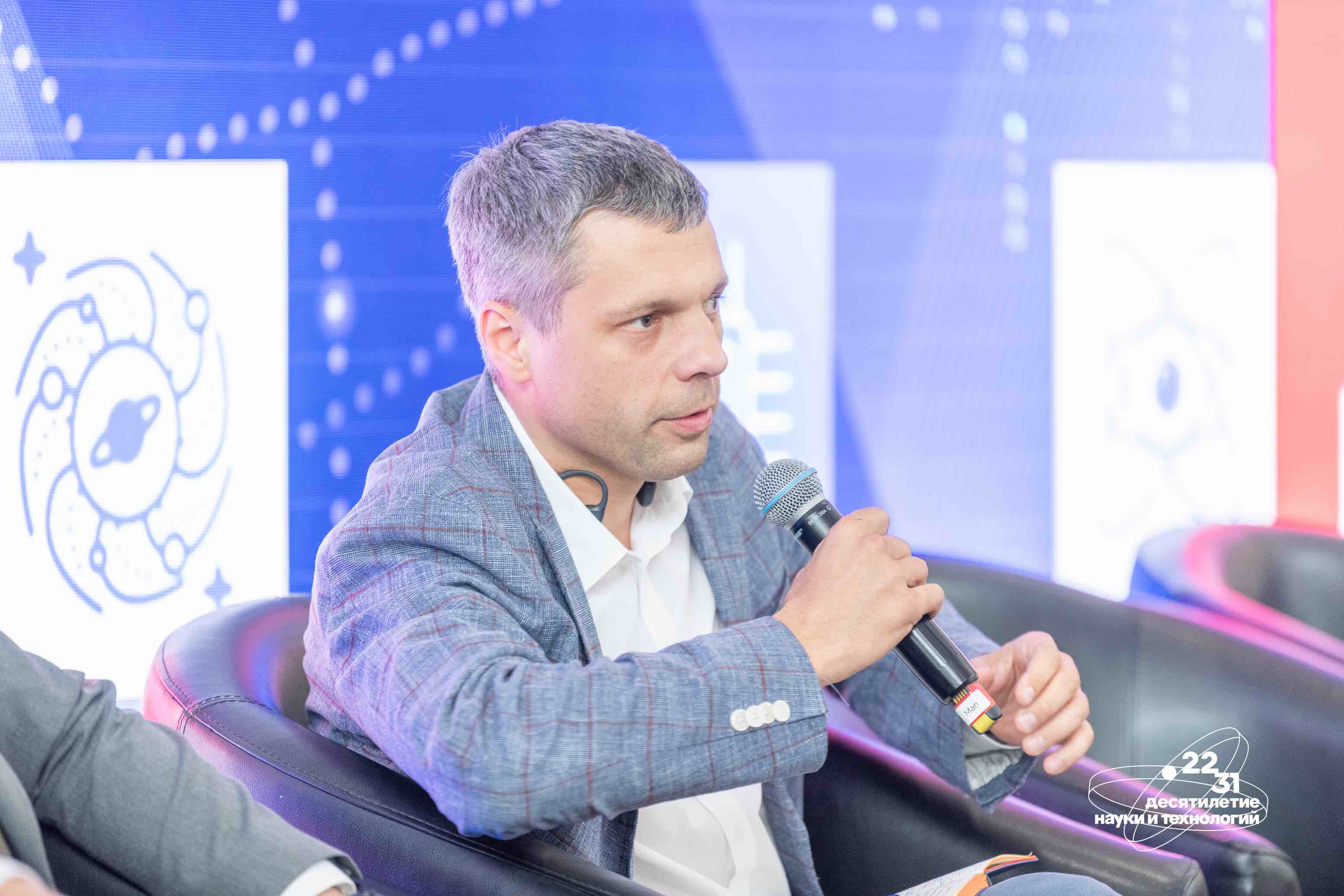
The plenary session attended by Russian Minister of Science and Higher Education Valery Falkov, Skoltech President Yulia Gorbunova, Skoltech Vice President for Artificial Intelligence Development Evgeny Burnaev, and other experts examined new scientific and technological frontiers, as well as the role of AI in science.

Valery Falkov compared Skoltech to “a river brimming with people and ideas,” noting that artificial intelligence and machine learning are becoming integral to scientific methods. “AI and ML are transforming research. Some hypothesize that a new kind of science is emerging, one in which fundamental AI models and algorithms actively participate in the scientific process rather than merely serving as tools for humans,” he said.

subscription

Yulia Gorbunova emphasized Skoltech’s leading role in artificial intelligence. “Skoltech uses a model that differs from that of conventional universities. Here, the planning is driven by breakthrough research topics selected by a panel of reputable scientists. We select areas with potential to transform industries. For example, right from its inception, Skoltech chose the then-obscure fields of applied mathematics and artificial intelligence as its areas of focus. Thanks to this decision, Skoltech is now a leader in the field,” Gorbunova said.

subscription

Evgeny Burnaev discussed the challenges facing young researchers. “The new OpenAI model made headlines when it solved an intractable mathematical problem by disproving Erdős’s unit distance conjecture and thereby lending scientific credibility to AI. However, natural intelligence remains an absolute necessity in this context, while AI technologies speed up certain processes and serve as next-generation calculators that help accelerate computations and work with literature,” he explained.

subscription

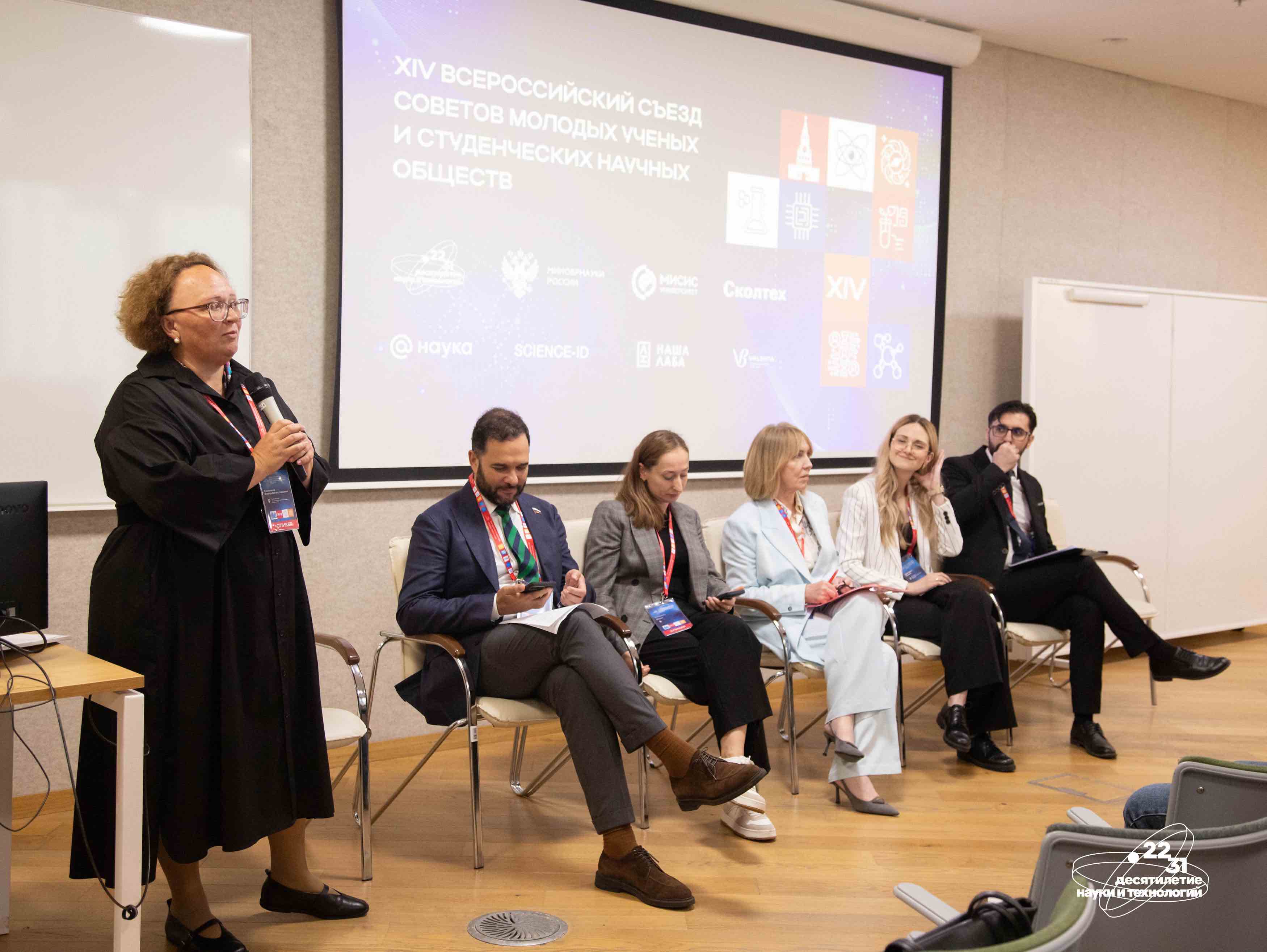
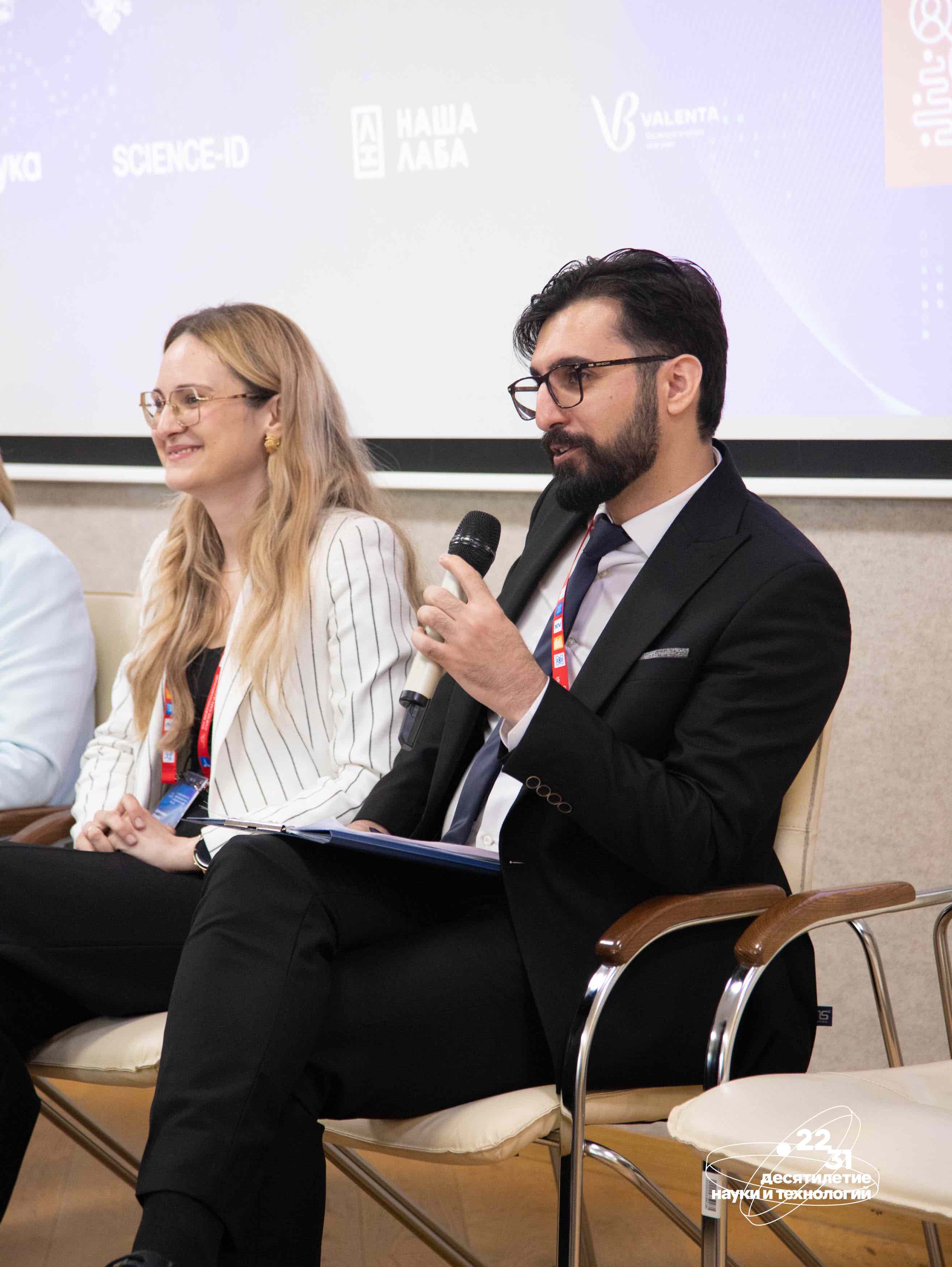
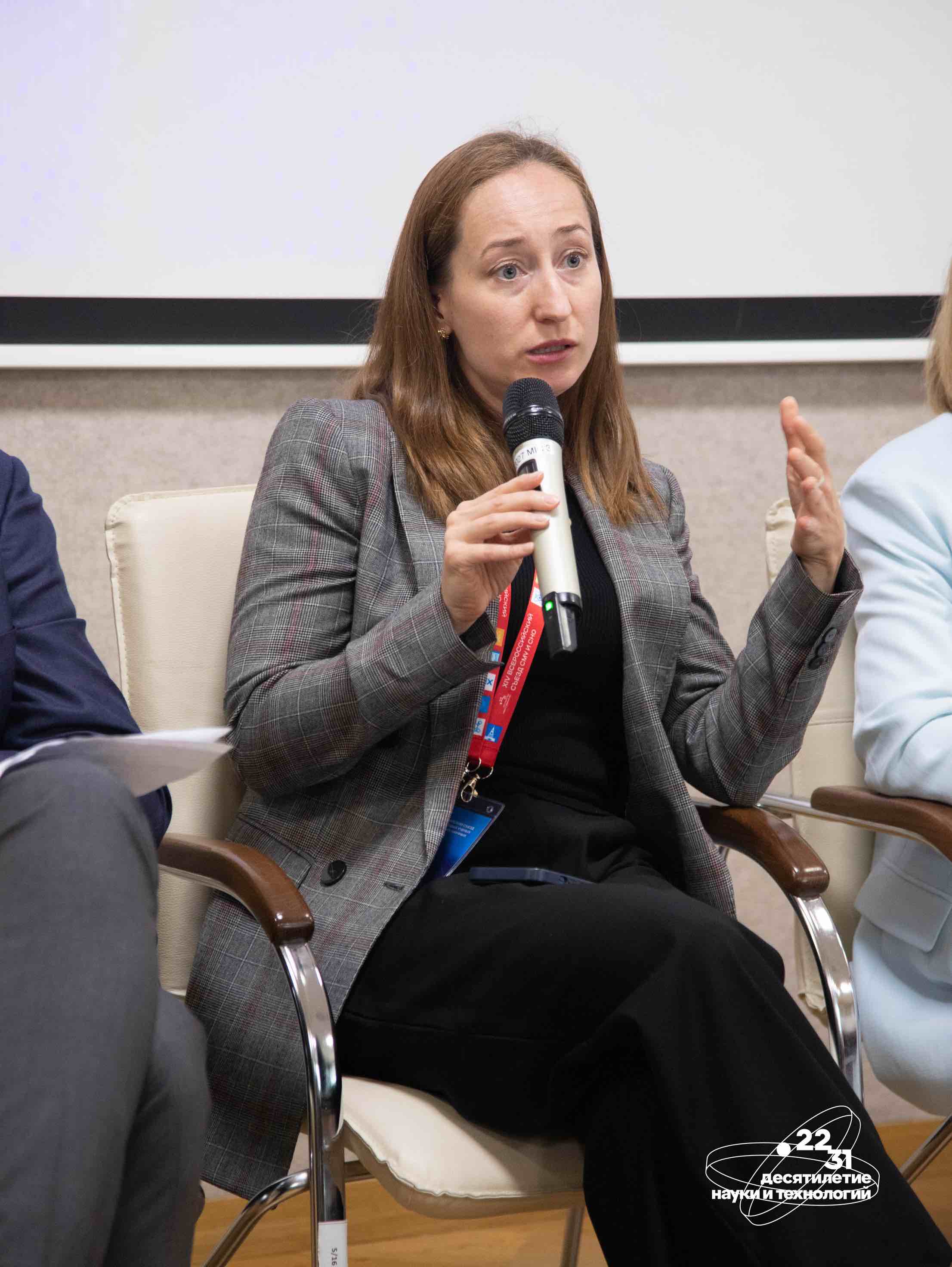
As part of the business program, Skoltech organized a session on attracting top-notch international experts to Russia. Participants discussed systemic measures to create a comfortable environment for foreign scientists, researchers, and their families.

Elena Kosacheva, the head of Skoltech’s HR Department and moderator of the session, opened the discussion by noting that attracting talent has become a specific public policy goal rather than merely a legal mechanism.

“This is not just about regulating migration. It’s also about developing a clear, modern model for entering Russia’s academic and professional environments. The new approach evaluates candidates based on their achievements, professional standing, and contributions to the country’s development. It also offers more transparent terms for the relocation, adaptation, and integration of experts and their families,” Kosacheva emphasized.

subscription

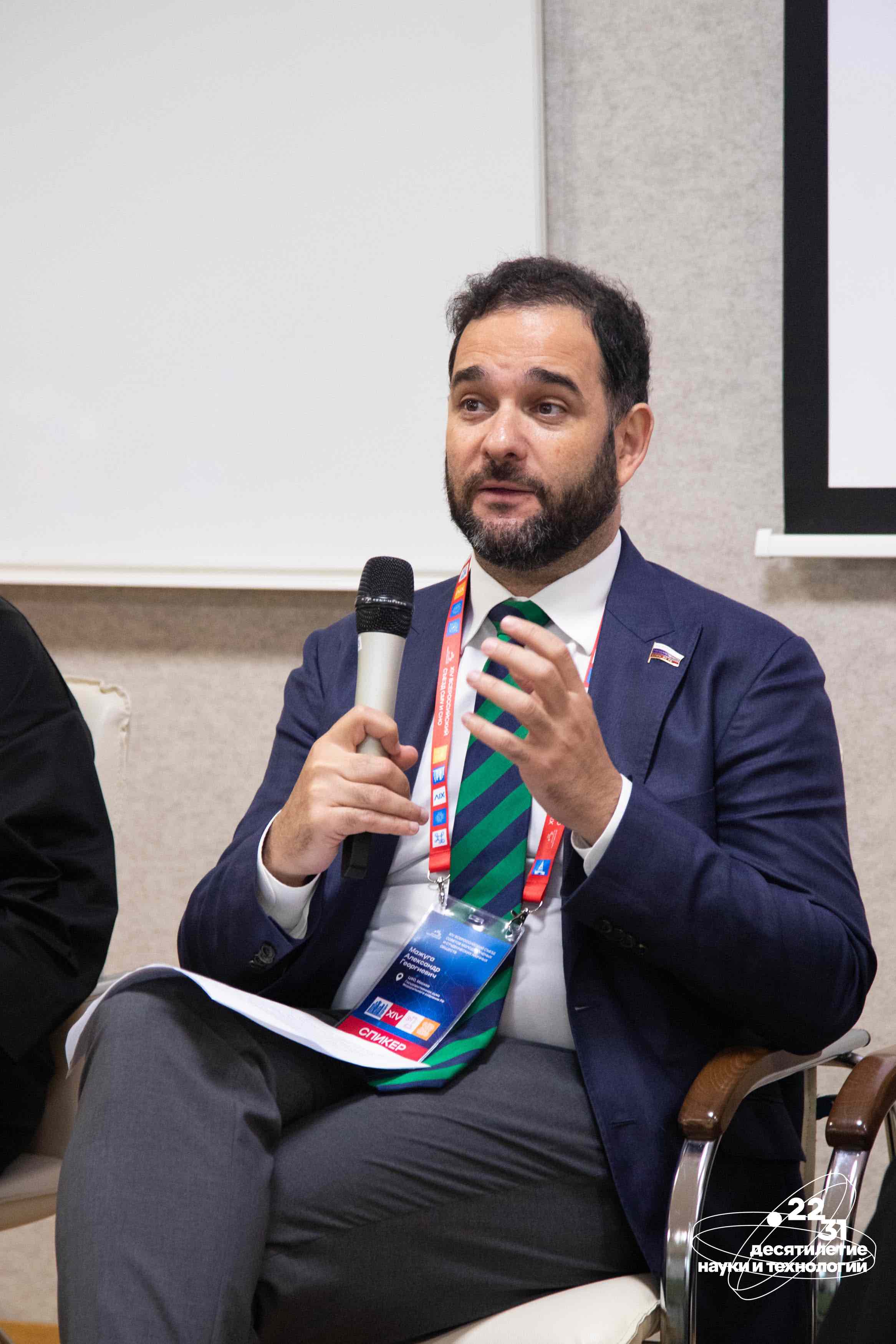
Alexander Mazhuga, the first deputy chairman of the State Duma Committee on Science and Higher Education, presented key legislative initiatives in this regard. He noted that there is competition for highly qualified foreign scientists in both Russia and other countries.

“Russia has a lot to offer. We’re building megascience facilities, such as SKIF near Novosibirsk and NICA in Dubna, as well as others across the country. Working at these unique facilities is a momentous opportunity for Russian and foreign scientists alike,” Mazhuga said.

subscription

He listed key conditions for attracting international talent: ambitious scientific goals, an engaging team, a strong team leader, and accessible infrastructure. To illustrate his point, he cited the Skoltech laboratory led by Distinguished Professor Artem R. Oganov, which hires researchers from around the world. Mazhuga also thanked Skoltech experts for collaborating with the committee to define the highly qualified foreign expert status, which will create new relocation opportunities.

“Foreign experts shouldn’t have to spend half their time thinking about finding a job for their spouse, enrolling their children in kindergarten, or finding a reagent supplier. It is very important to remove these barriers,” Mazhuga added.

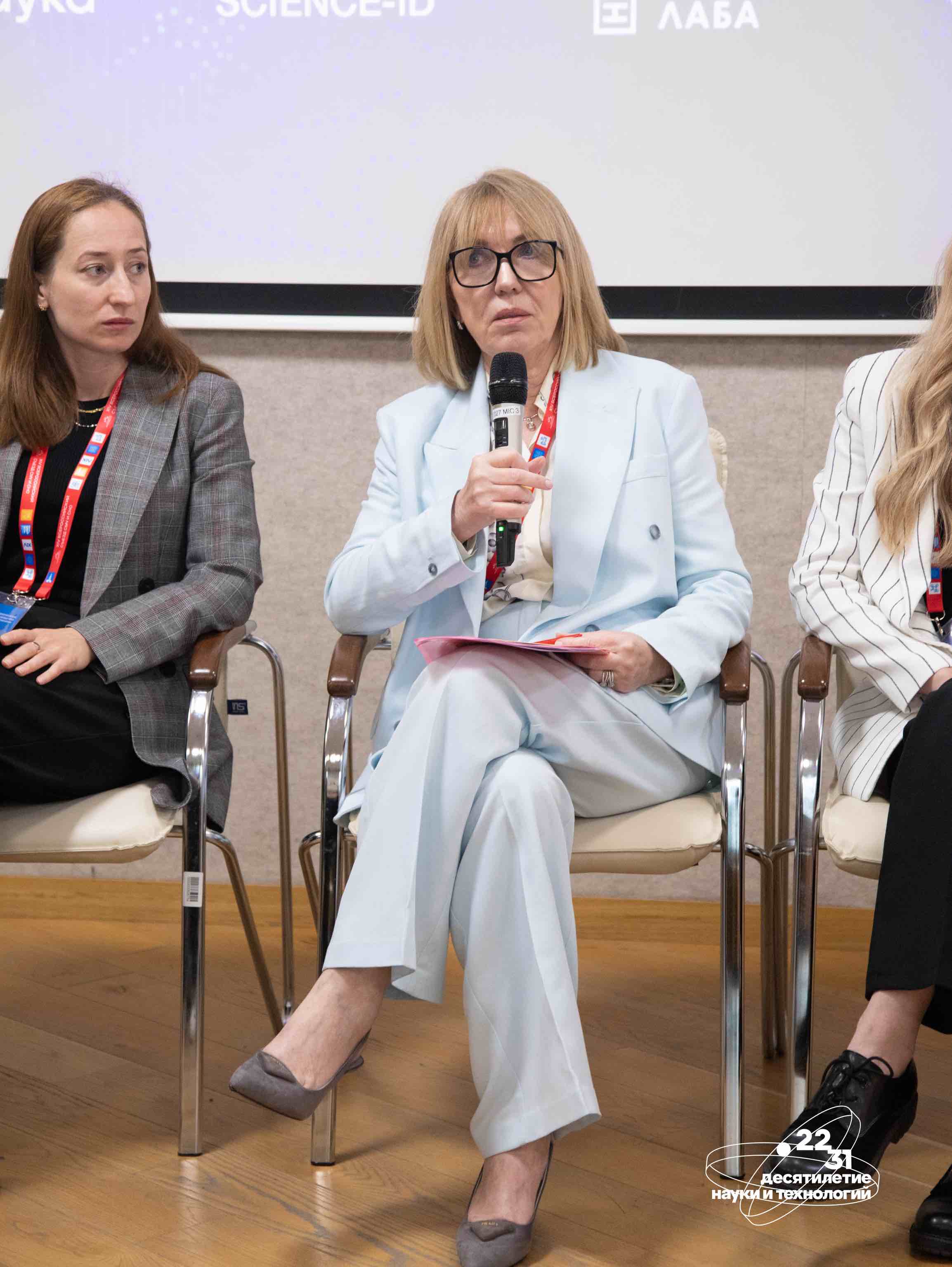
Irina Korotkova, the CEO of the Agency for Attracting Foreign Talent, shared possible motivations for foreign experts, which could include establishing their own scientific school, solving challenging problems, collaborating with motivated young professionals, and receiving recognition.

“We have a lot of applications right now, but we can’t be sure that the flow won’t stop soon. We should increase Russia’s visibility so that more people know about our country and its opportunities,” Korotkova concluded.

subscription

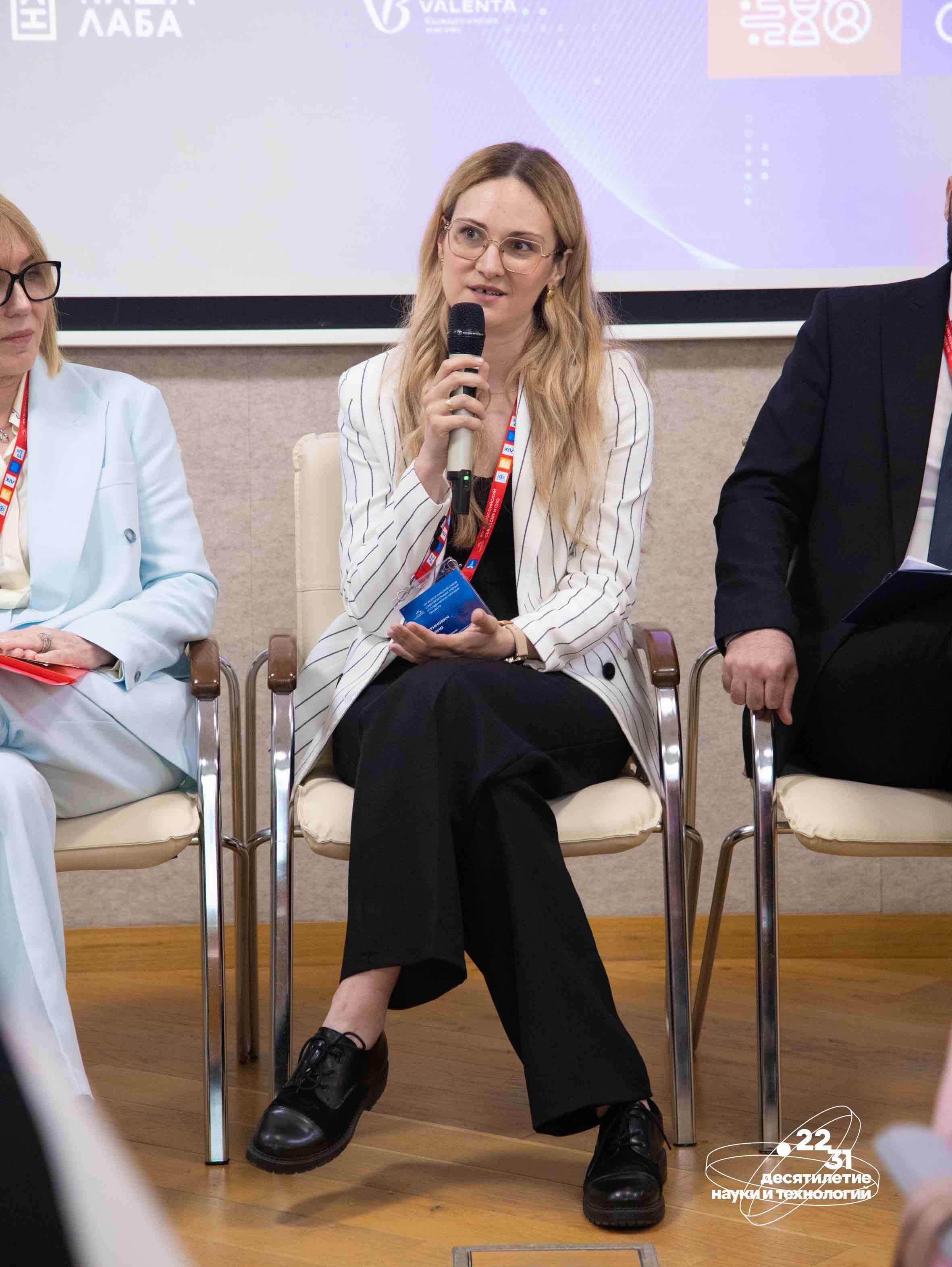
Assistant Professor Julijana Cvjetinovic from the Skoltech Photonics Center, who moved to Russia from Serbia 10 years ago, shared her personal success story. She progressed from not knowing a single Russian word to obtaining citizenship and gaining recognition in her field.

“Russia opened a world of opportunities for me that I could never have even dreamed of. If someone had told me ten years ago that I would be sitting here talking to you, I would have said, ‘No way!’ Now, I can confidently say that I belong here and no longer feel like an outsider,” Cvjetinovic shared.

She urged women scientists to face challenges with confidence. “Someone once told me, ‘Science is no place for women. Marriage will kill your career.’ This is not true. I know that for a fact. Now that I’m a young mother, I’m more successful than ever.”

subscription

Mehdi Basati Panah, an Iranian immigrant and an associate professor at the Higher School of Power Engineering at St. Petersburg Polytechnic University, admitted that his first few years in Russia were extremely challenging due to the language barrier and bureaucracy.

“Frankly, it wasn’t easy, but I’ve learned one thing: you must never give up. Even during difficult times, you have to keep going,” he said.

subscription

Maria Balashova, the deputy executive director for strategic development at the Analytical Center for International Scientific, Technological and Educational Programs, noted that deep historical and cultural ties continue to draw researchers to Russia.

“Thanks to our country’s deep history, vast cultural heritage, and rich scientific potential, working or studying in Russia remains a fascinating opportunity. To improve our country’s image, we need to use bloggers, social media, and other new channels,” Balashova suggested.

subscription

The participants agreed that long-term joint projects and permanent laboratories are the most effective ways to attract international talent. They also emphasized the importance of creating a modern digital showcase in English that highlights Russian research and educational opportunities.

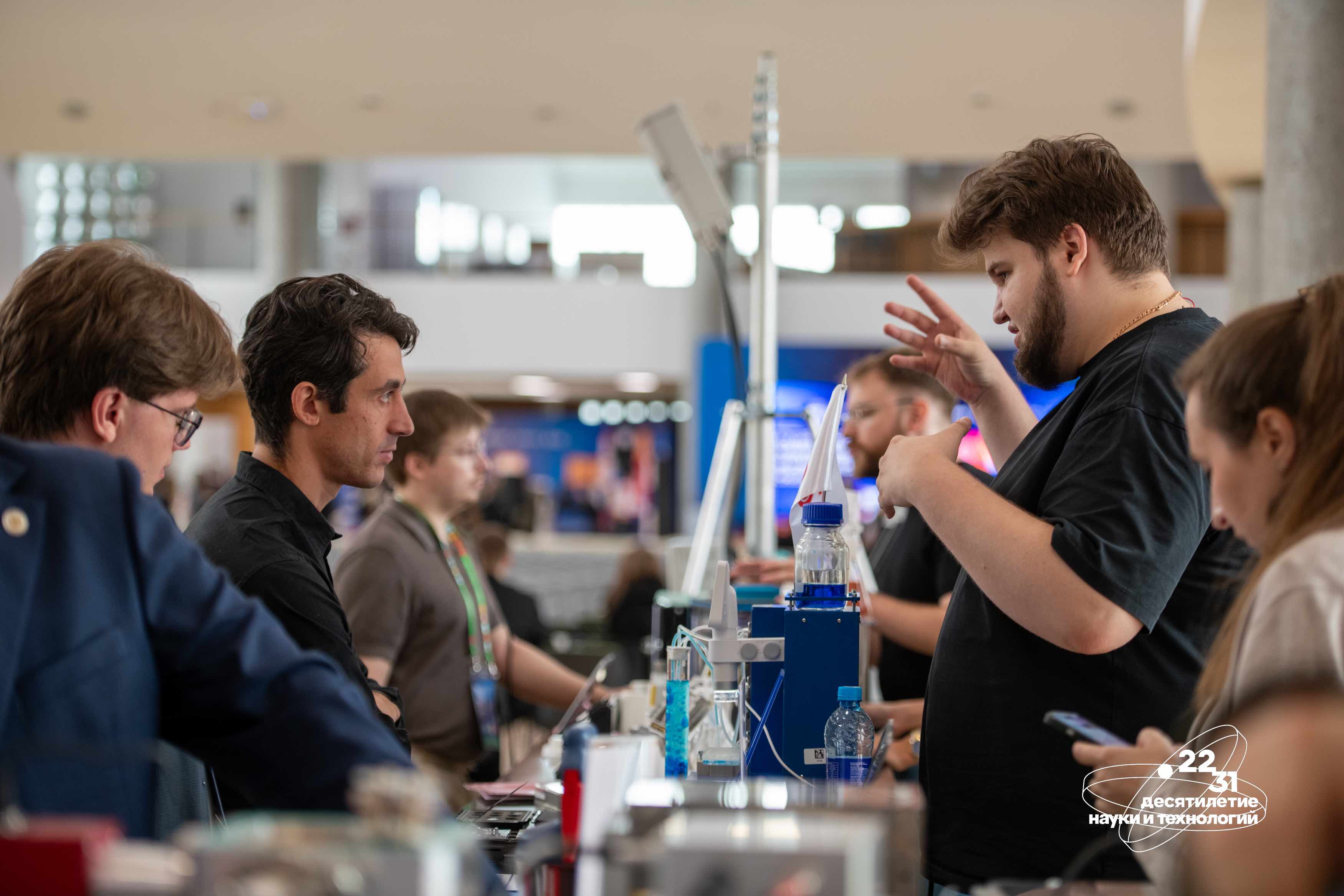
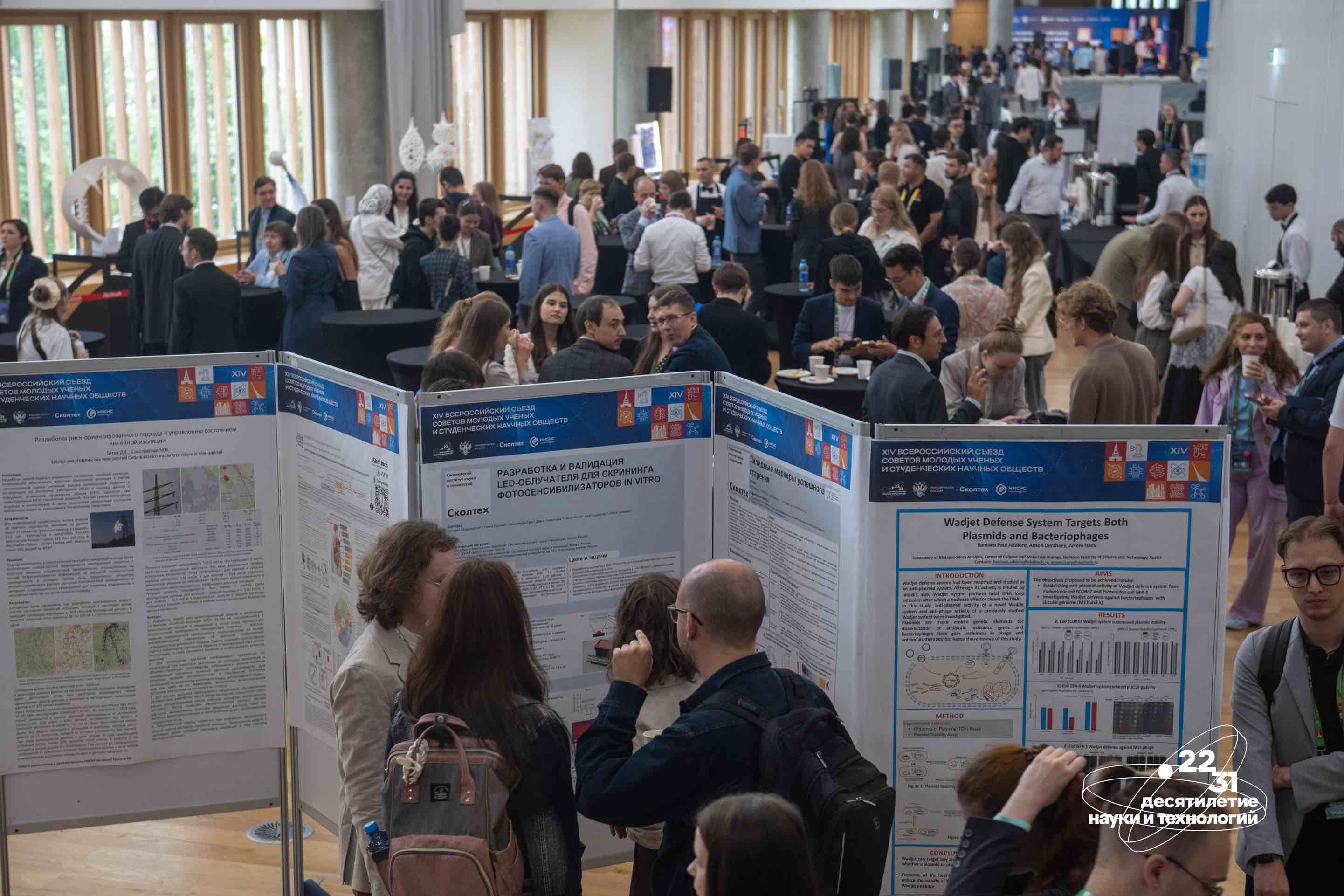
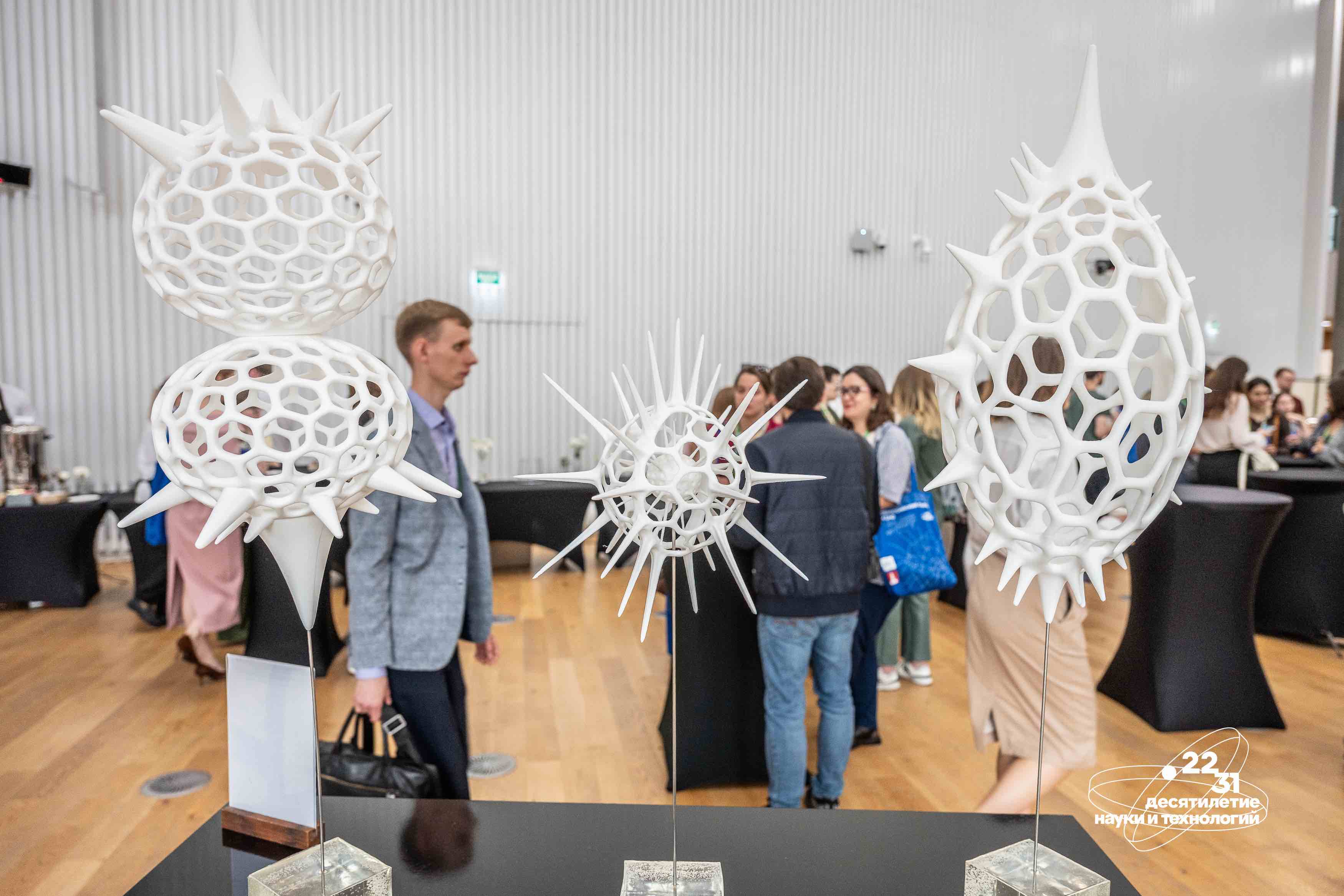
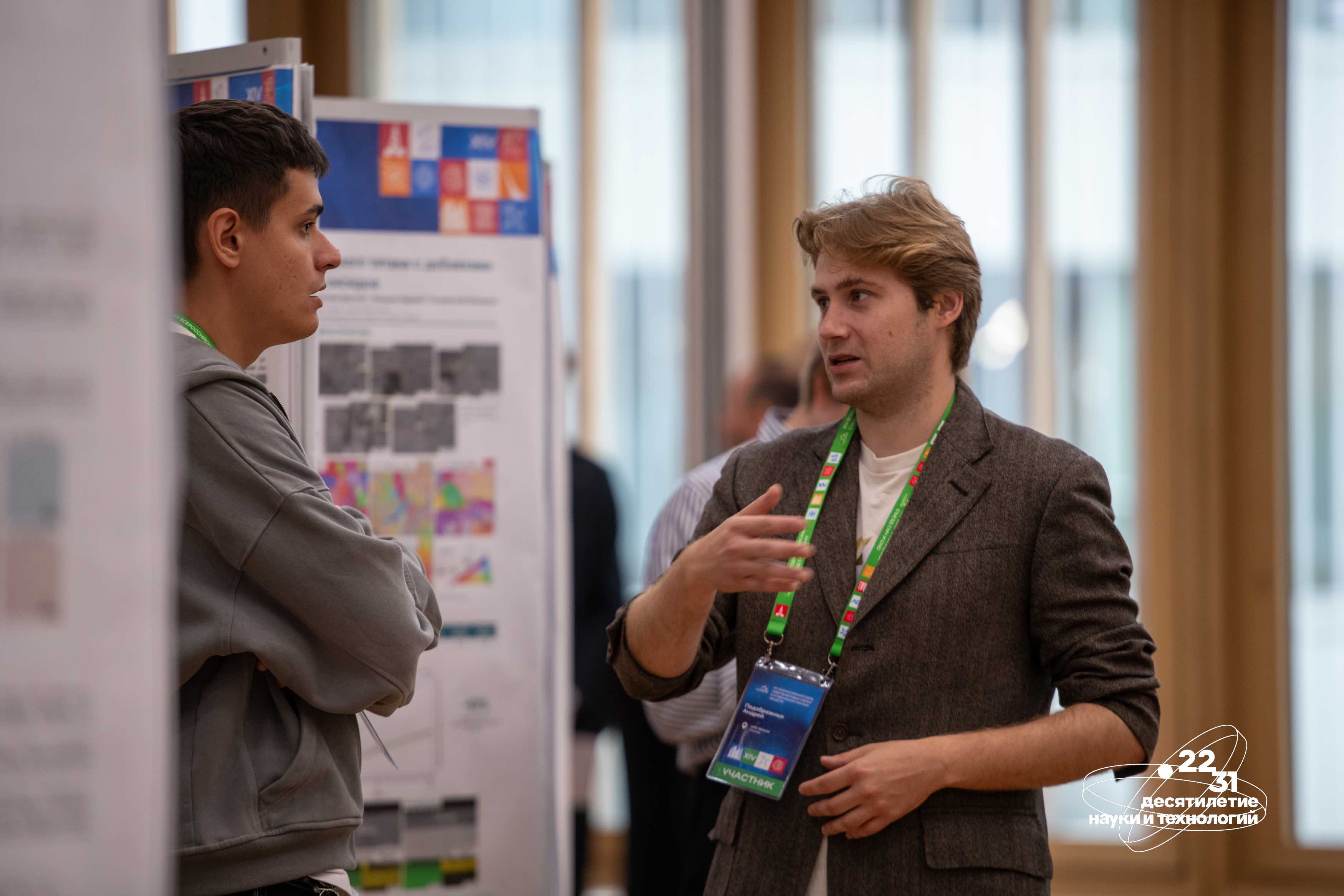
Skoltech organized or co-organized several sessions of the forum’s business program, including University Space of the Future, AI in Materials Science, and Neural Network Validation, as well as a game challenge modeled after Skoltech’s famous Innovation Workshop. At the Skoltech exhibit, visitors could explore the institute’s cutting-edge solutions in energy, photonics, microfluidics, and telecommunications. Young Skoltech scientists presented their research at a poster session. Forum participants toured Skoltech’s research centers and laboratories.

Photos: 14th All-Russian Forum of Young Scientists’ Councils and Student Scientific Societies.