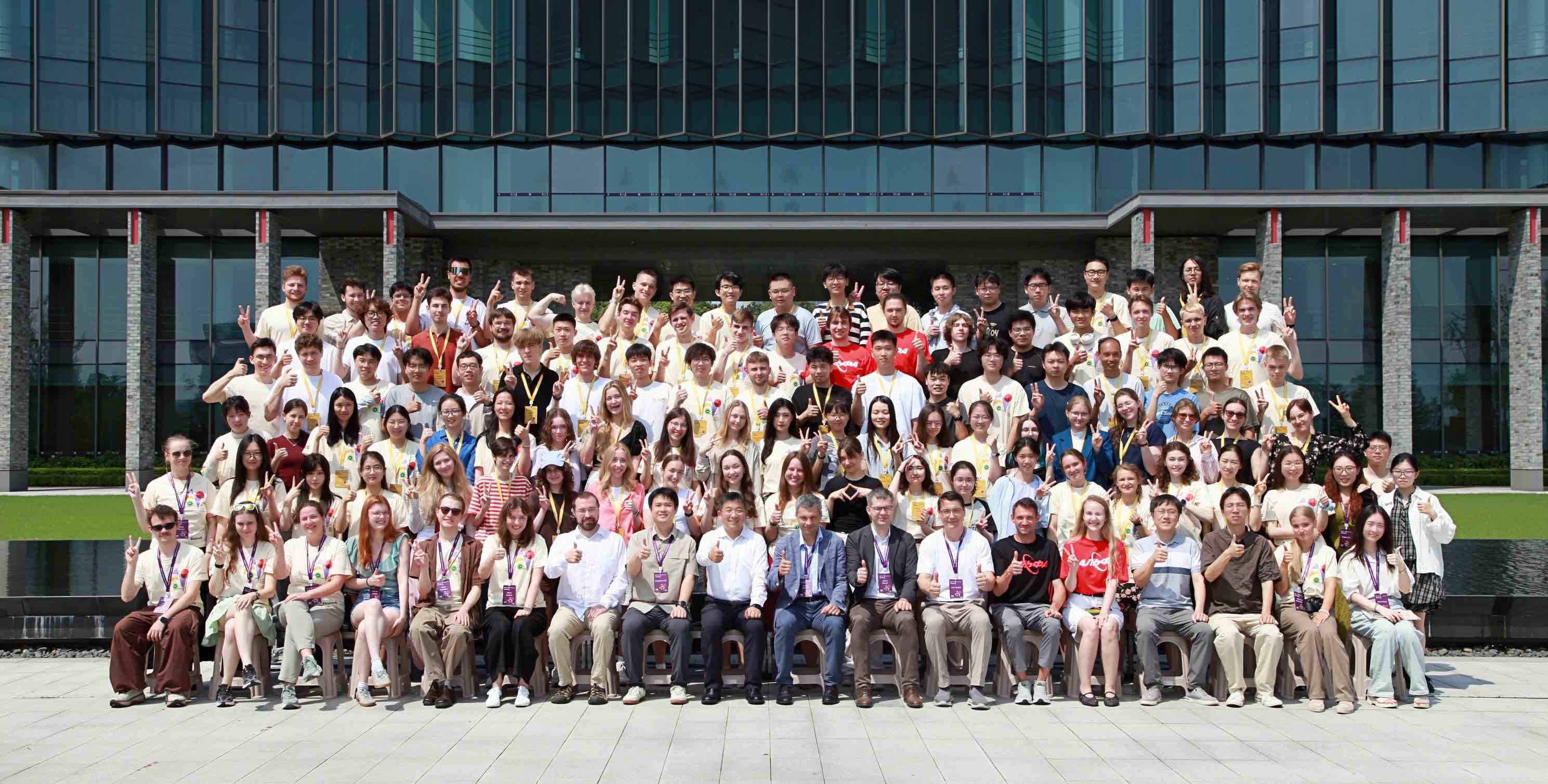
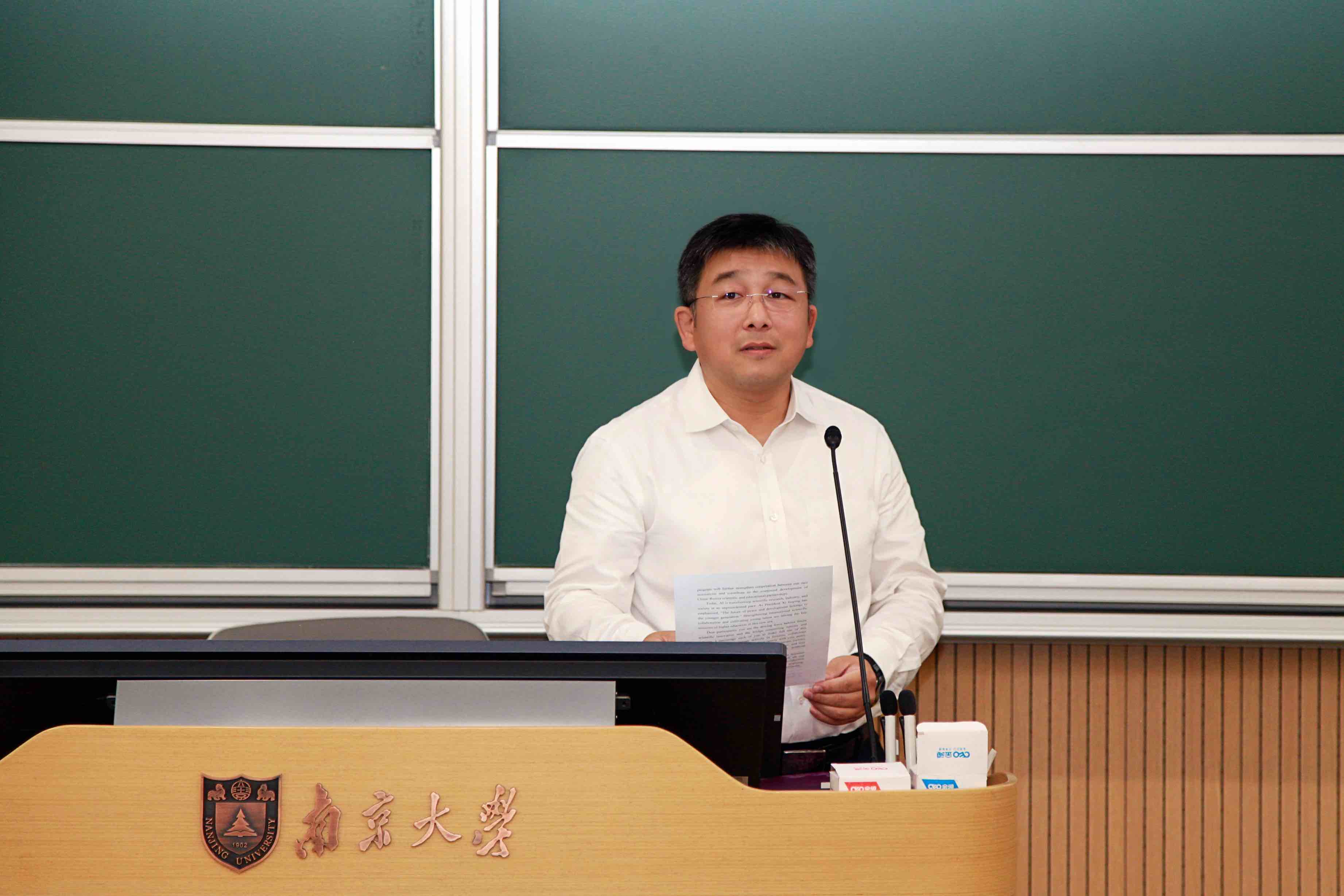
The school was officially opened by Tian Jiang, Assistant President of Nanjing University
The school’s central theme is engineering AI and the transition from fundamental methods to reliable solutions for science and industry. Participants will study Bayesian machine learning, probabilistic modeling and uncertainty quantification, large language and generative models, medical AI, computer vision, and intelligent engineering systems.
Particular attention in the program is given to problems in which understanding the limits of a model’s capabilities is especially important. Participants will explore how to identify unreliable responses from large language models, quantify uncertainty, accelerate generation, work under data scarcity, analyze medical images, and reconstruct three-dimensional scenes. Other sessions will focus on recommender systems, AI agents, multimodal models, and the industrial application of artificial intelligence.
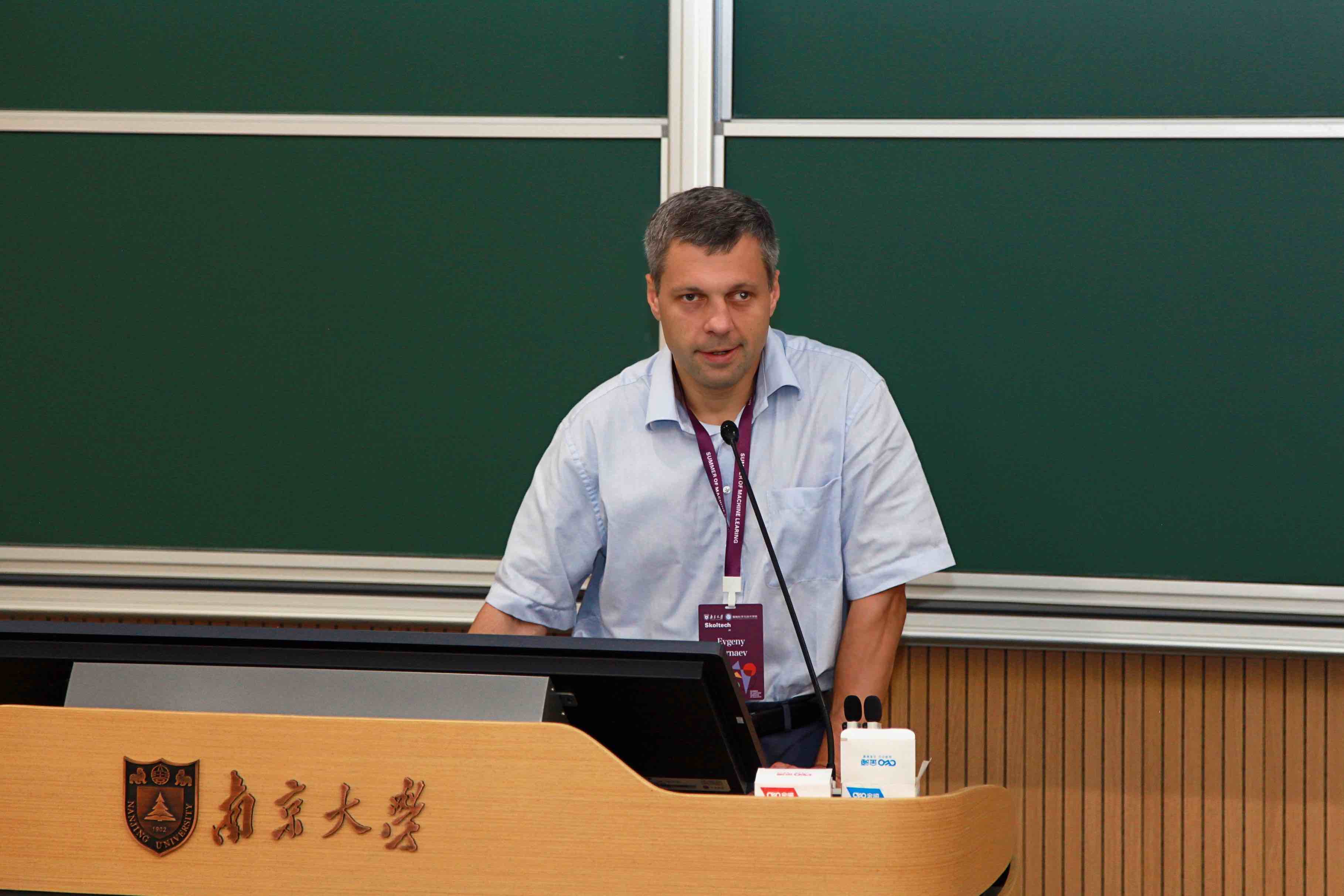
“Today, it is particularly important not only to keep pace with the rapid development of artificial intelligence, but also to critically evaluate new methods, understand the limits of their applicability, and transform scientific ideas into reliable solutions. SMILES creates a rare environment for this: young researchers work alongside leading scientists, discuss their findings with one another, and go through the entire process, from formulating a research problem to publicly defending their project,” Evgeny Burnaev said.
Alongside the lectures, participants will work in international teams on their own research projects. During the school, they will formulate research problems, conduct experiments, discuss interim results with their mentors, and present their final solutions at a public defense.
The project program reproduces the full research cycle, from an initial idea and the first experiments to incorporating expert feedback and publicly presenting the results. In previous years, SMILES participant projects have already formed the basis of at least four research papers accepted at conferences, including IEEE ICCQ and RANLP. The best results from SMILES-2026 may also be further developed into research papers, internships, or pilot projects with industry partners.