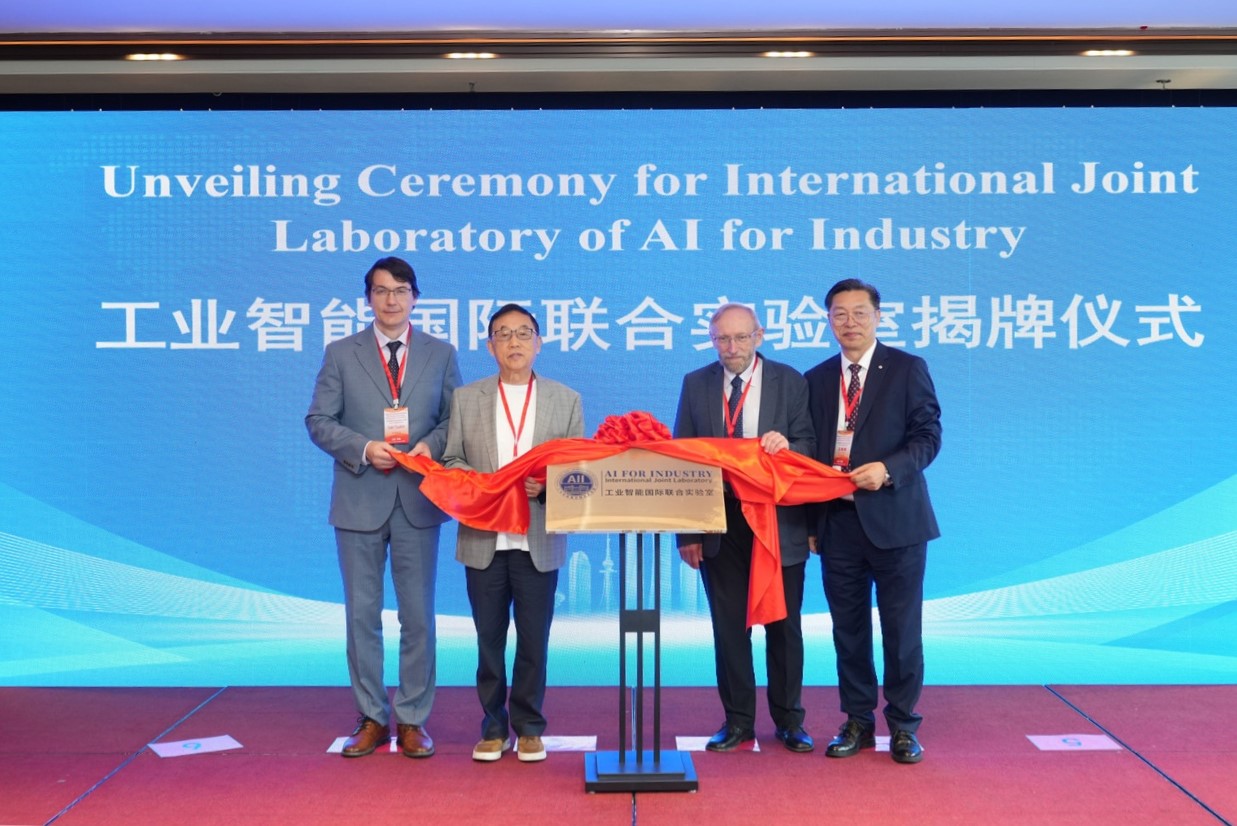
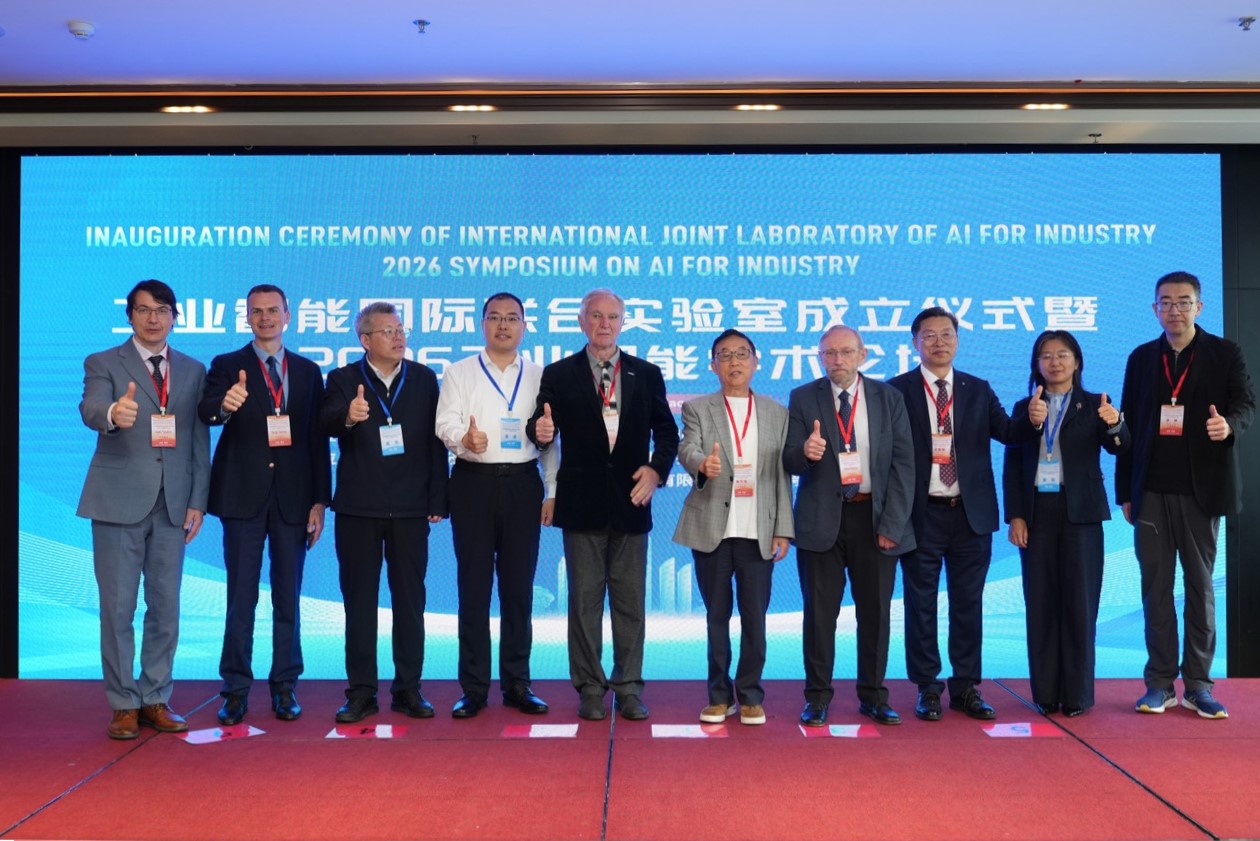
“The establishment of the laboratory is an important step in strengthening Russian-Chinese cooperation in the field of artificial intelligence and industrial technologies. The new laboratory will become a hub for leading scientists in AI and related disciplines, a platform for training a new generation of engineers and researchers, as well as an incubator for joint industrial projects and technology transfer. For us, as the scientific and technological base of the VEB.RF Group, such initiatives are a priority: they help concentrate efforts on supporting Russia’s technological development,” noted Skoltech President, RAS Academician Yulia Gorbunova.
“In its work, the International Joint Laboratory of AI for Industry will focus on four key research areas. The first is the development of the theory of random configuration networks proposed by Professor Wang. The second area is the creation of intelligent computing architectures and autonomous decision‑making for complex industrial scenarios, enabling device‑to‑cloud interaction. The third area is the deep integration of synthetic rubber chemistry and manufacturing with AI methods. We are applying AI to model chemical processes and for intelligent optimization — from real‑time control of complex reactions to fault diagnosis and early warning in industrial safety. This will help the traditional chemical industry transition to smart manufacturing. And finally, the fourth area is the full‑lifecycle management of industrial equipment based on digital twin technology and intelligent modeling methods. A cross‑cutting priority across all four areas is ensuring the reliability and robustness of AI solutions — this is an area where we have significant scientific and practical expertise that we plan to actively leverage,” shared Ivan Tyukin.
As part of the collaboration, the parties have agreed to jointly apply for national and international grants, as well as for applied projects involving industry. Mutual student and faculty visits, the launch of joint educational programs, and research internships are also planned. A separate focus will be the commercialization of results: patenting, technology transfer, and the implementation of developments in the real economy. The parties intend to involve other international partners and industrial companies as well.