Scientists have discovered that fatty acids in breast milk and in newborn brains are interconnected and unique to different species of mammals. This suggests that milk composition has evolved to provide essential nutrients for infant nervous tissue. These findings will help develop optimal infant formulas that closely match human breast milk. The research, which was supported by a grant from the Russian Science Foundation (RSF), was published in the journal Communications Biology.
The infant brain grows rapidly, increasing from 25% to 70% of its adult size during the first year of life. Fatty acids − the primary building blocks of new cells − make up the membranes of neurons and help them transmit signals properly. Until recently, polyunsaturated fatty acids, such as omega-3 and omega-6, which are found in breast milk, were considered particularly valuable. However, some infants are fed artificial formulas that resemble cow’s milk more than human milk. Until now, it has been unclear whether these differences in milk composition are significant.
Skoltech researchers and their colleagues discovered that the sets of fatty acids found in the milk and brains of mammals are interconnected and vary by species.
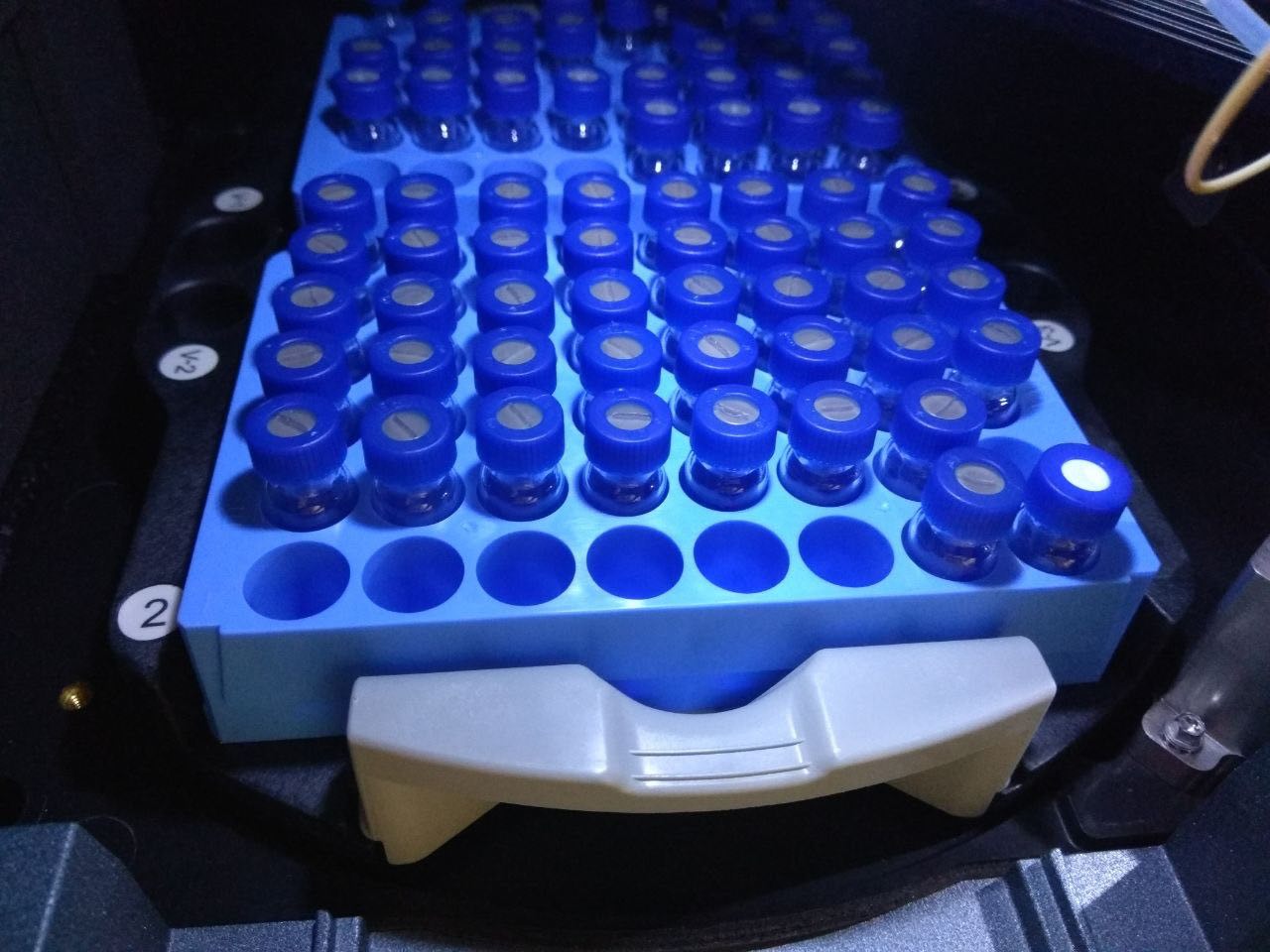
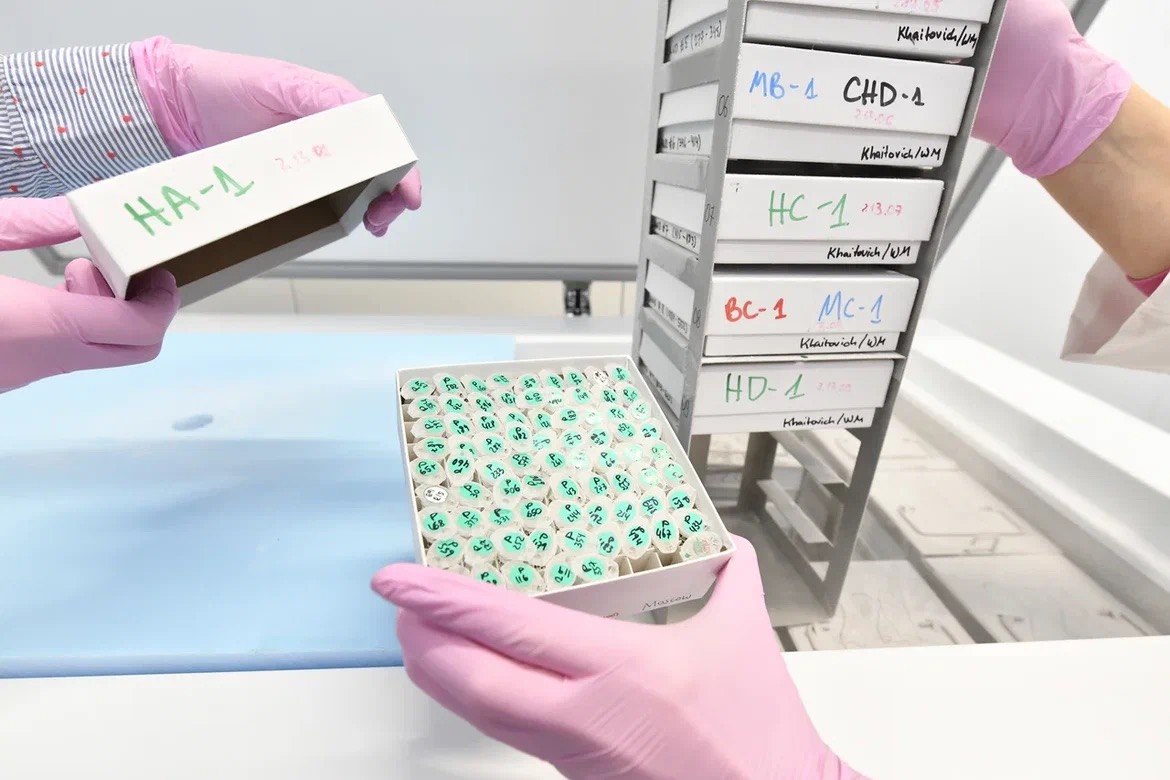
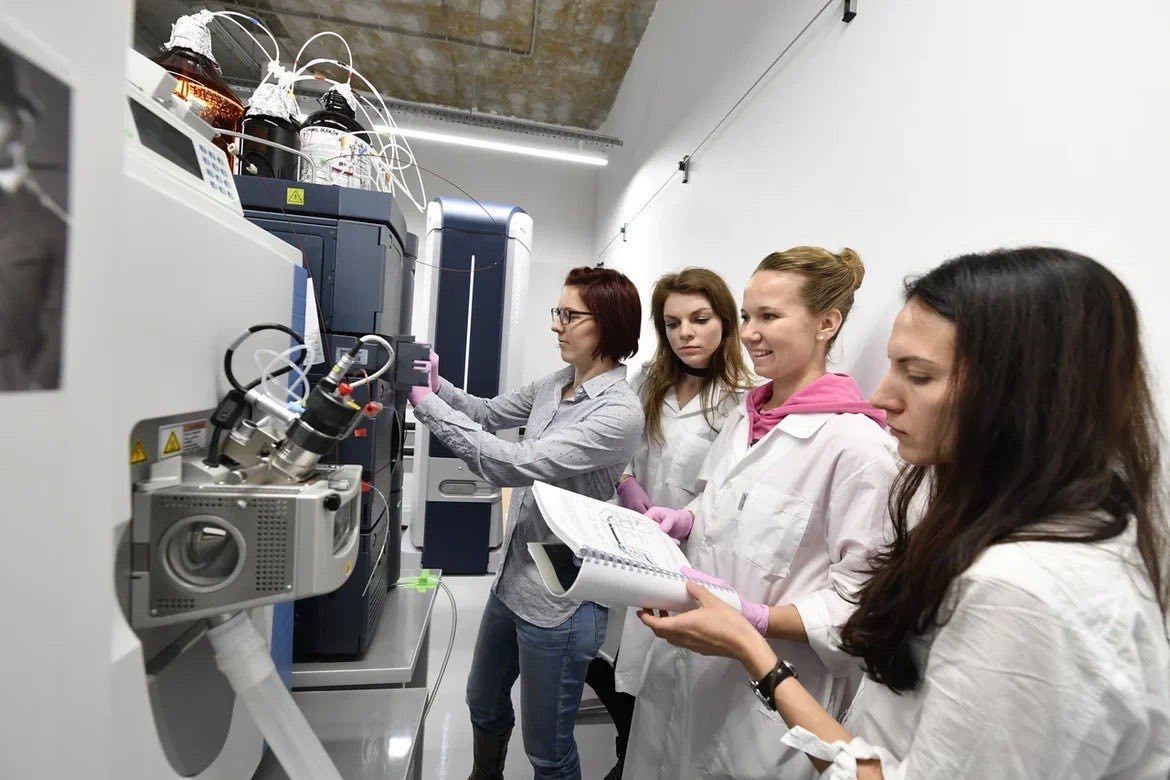
The scientists analyzed the chemical compositions of 837 breast milk samples and 194 brain tissue samples from human infants and the offspring of chimpanzees, macaques, pigs, goats, cows, and yaks. They identified 81 types of fatty acids in the milk and 33 in the brain tissue, which were correlated within species but differed between species. These results imply that the milk composition of each species is perfectly suited to the needs of its brain.
The authors found significant correlations between milk and the prefrontal cortex in humans, chimpanzees, and macaques, especially regarding the content of ultra-long-chain fatty acids. They also discovered that the strongest correlation was unique to humans. The prefrontal cortex is responsible for complex cognitive processes, planning, and social behavior. Thus, from an evolutionary perspective, the chemical composition of milk evolved to nourish the most resource-intensive and socially significant part of an infant’s brain.
“Our research highlights the importance of enhancing cow- and goat-milk-based infant formulas to better resemble human milk, especially with respect to ultra-long-chain fatty acids, which are plentiful in the developing infant brain. In a recent study conducted as part of this project, we identified a link between abnormalities in the fatty acid composition of neuronal membranes in the adult brain and depression. This finding further underscores the critical role of fatty acids in brain function,” explained Professor Philipp Khaitovich, who leads this project supported by an RSF grant and heads the Laboratory of Molecular Neuroscience at Skoltech.
The study involved researchers from the Hospital for Sick Children in Toronto (Canada), the Weizmann Institute (Israel), and Wellcome Genome Campus (UK).
Credit: Russian Science Foundation