Educating future engineers: Insights from SPIEF 2026
June 9, 2026

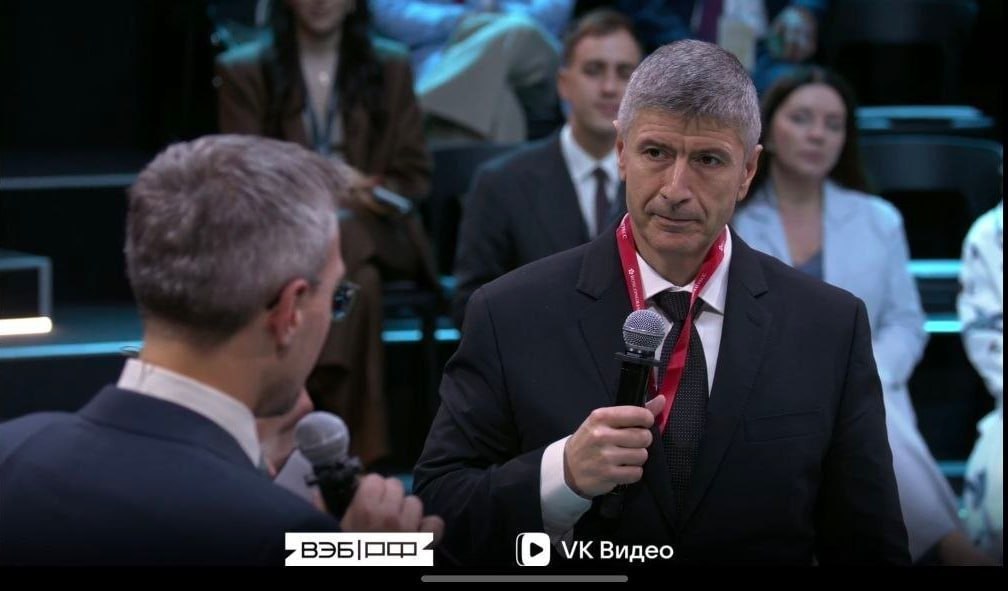
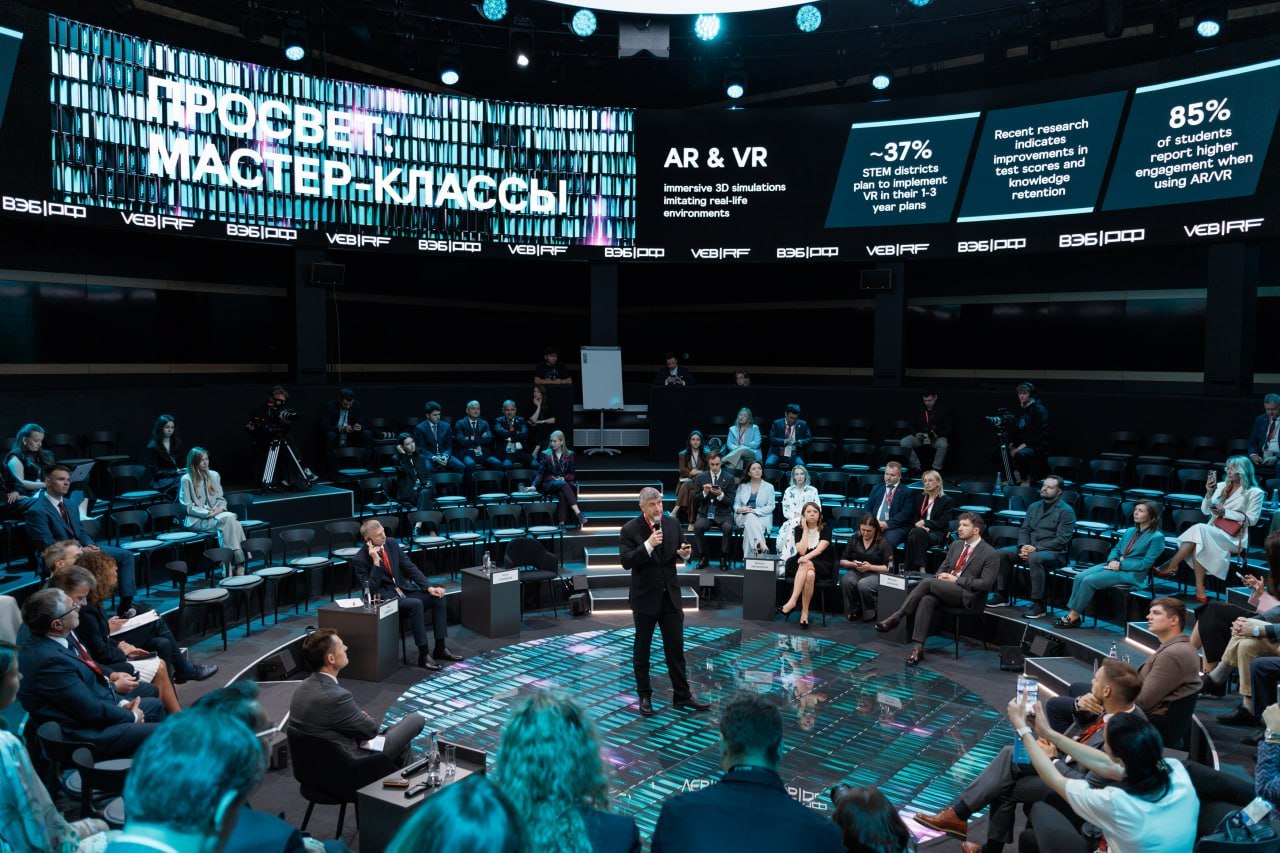
Henni Ouerdane, Associate Professor and Head of the of the Energy Conversion Physics and Technology Research Group at the Skoltech Engineering Center, spoke at the "Prosvet: Master Classes" session (VEB.RF Congress Center). The core topic: transforming engineering education in the era of AI and immersive tech.

subscription

Key takeaways:

VR and simulations in STEM 

Skoltech is currently working to incorporate virtual reality (VR) and augmented reality (AR) into the educational process. Evidence from leading institutions suggests that immersive technologies offer numerous benefits to STEM education. For instance, students can safely manipulate digital replicas of expensive equipment without exposure to associated risks or enhance their soft skills by practicing speaking in front of a virtual audience. Compared to traditional classrooms, interactive environments show higher levels of engagement and better knowledge retention.


GenAI: A tool, not a skill replacement 

Generative AI is already part of the learning process but requires clear rules. The gap between using AI and gaining real experience must be transparent:

"One thing is a grade, another is competence, skill, experience. It's your choice, and every choice has its price."

subscription

STEM+ approach 

Modern engineering is not just about hard sciences. Integrating humanities, arts, digital literacy, and social values (STEM+) helps students transition from academic knowledge to commercialization and shapes future tech leaders.